
Composites vs. Wood
July 31, 2025
The Complete Guide to Purchasing FRP Wall Panels for RV Manufacturers
June 5, 2026Composites vs. Wood
July 31, 2025The Complete Guide to Purchasing FRP Wall Panels for RV Manufacturers
June 5, 2026Three Core Materials Create High-Quality FRP Sheets
The reason FRP sheets have widely replaced metal, plastic, and wood panels to become the material of choice for outdoor infrastructure, chemical engineering, environmental protection, and equipment applications lies in their unique three-layer composite structure. FRP panels are formed through the curing and lamination of three core materials: gelcoat, resin, and fiberglass. Each material plays a distinct role and works synergistically with the others, determining the panel’s durability and stability at the material level. Below is a detailed explanation of the characteristics of these three materials and the core advantages they confer upon FRP panels.
I. The Three Core Materials: Each Fulfilling Its Role, Layer by Layer of Excellence
1. Gelcoat: The Panel’s Protective Outer Layer
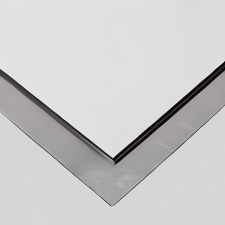
The gelcoat is the functional surface material of FRP panels and serves as the first line of defense against the external environment. We use specialized weather-resistant unsaturated gelcoat resin, which features a dense, fine texture and exceptional sealing properties. Unlike ordinary paint coatings, this specialized gelcoat offers high adhesion and excellent toughness, making it resistant to peeling and flaking. Its core functions include UV resistance, acid and alkali corrosion resistance, and waterproofing and stain resistance. It also ensures a high-gloss surface with uniform color, preventing yellowing, fading, and cracking over long-term use.
2. Resin: The Binding Matrix of the Panels
Resin serves as the core matrix material for FRP panels, playing a critical role in bonding, shaping, and toughening. Our product utilizes high-purity industrial-grade unsaturated resin, which features strong penetration and uniform curing speed. It perfectly encapsulates and bonds the glass fiber and surface gel coat, fusing the three-layer structure into a single, seamless unit that prevents delamination or voids. Once cured, this resin exhibits exceptional stability and offers superior waterproofing, impermeability, and corrosion resistance. It withstands complex operating conditions such as humidity, salt spray, and chemical corrosion, providing the panels with fundamental toughness and structural stability.
3. Glass Fiber: The Strength Skeleton of the Panels
Glass fiber serves as the load-bearing skeleton of FRP panels, determining their hardness and load-bearing capacity. We use multiple layers of high-quality fiberglass mat and roving as reinforcing materials, delivering outstanding tensile, compressive, and flexural strength. Lightweight, rust-free, and highly durable, it effectively compensates for the inherent weaknesses of pure resin—such as softness and susceptibility to deformation—enabling the entire panel to achieve “lightweight yet high-strength” characteristics. It is the core material that allows FRP panels to rival the strength of metal.
II. Material Advantages: The Core Comprehensive Benefits of FRP Panels
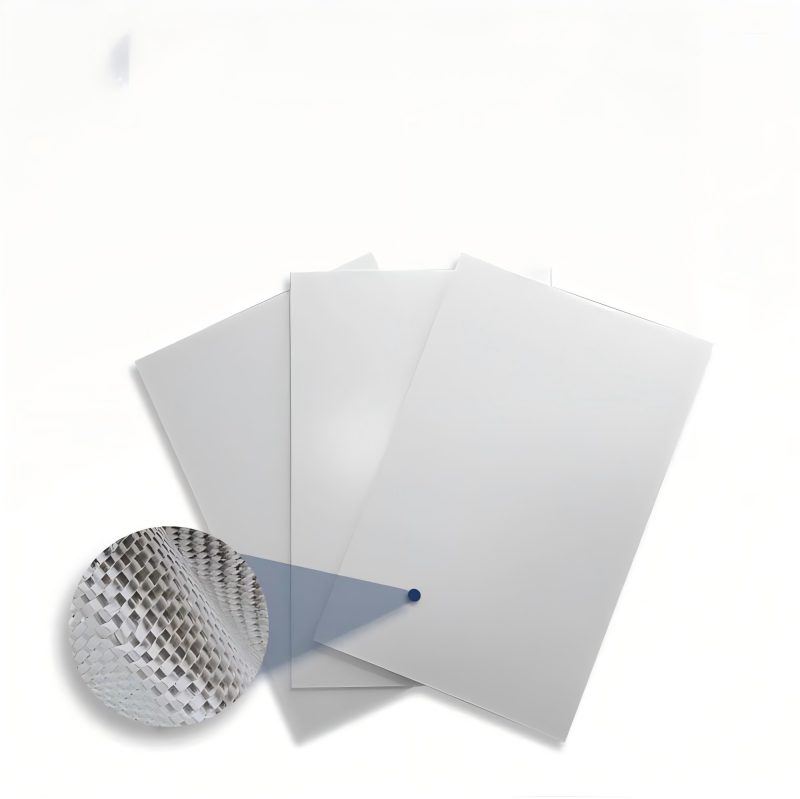
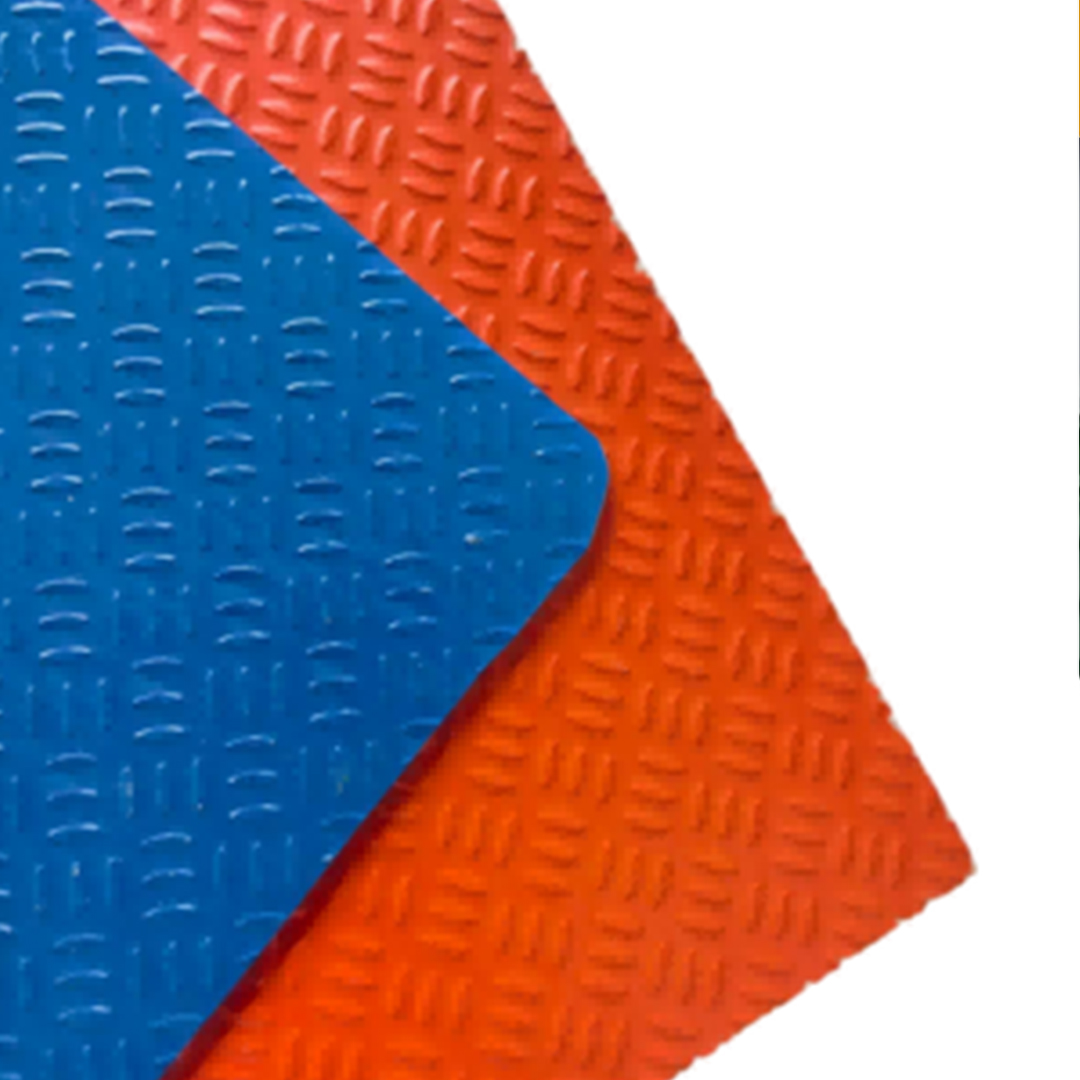
Through the scientific blending of three high-quality materials, FRP panels overcome many of the shortcomings of traditional panels, offering significant comprehensive performance advantages. First is weather resistance and anti-aging properties: the gel coat layer strongly resists sun exposure, rain, and UV erosion, making it suitable for all-weather outdoor use with a service life far exceeding that of ordinary panels. Second is high strength and light weight: glass fiber provides structural strength, while resin reduces self-weight. The panels are lightweight, easy to transport and install, and resistant to deformation and breakage.
Additionally, the panels feature exceptional corrosion resistance and waterproofing properties. With dual protection from resin and gel coat, they withstand acids, alkalis, salt spray, and humid environments without rusting like steel or rotting like wood. Furthermore, the raw materials are inherently insulating, flame-retardant, safe, and non-toxic. With high stability and zero maintenance requirements, these panels offer both cost-effectiveness and practicality. They are widely applicable across various sectors, including industrial, municipal, new energy, and environmental protection equipment, making them one of the most well-balanced composite panels currently available on the market.
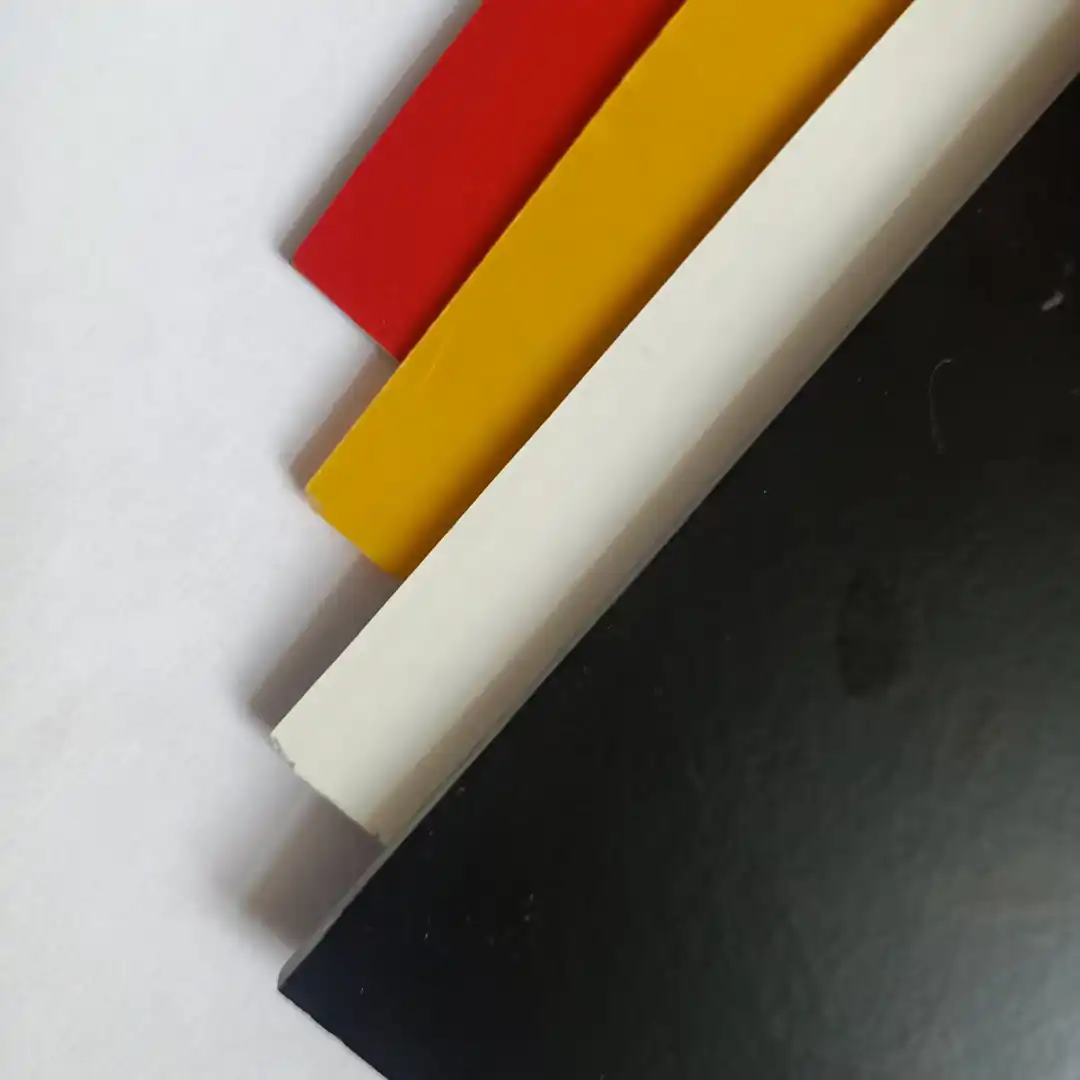
We can customize the dimensions,colors and lengths to meet specific customer requirements.