
Three Core Materials Create High-Quality FRP Sheets
June 3, 2026
Why FRP Panels Are the Top Choice for Long-Lasting, Leak-Proof Refrigerated Truck Bodies
June 10, 2026Three Core Materials Create High-Quality FRP Sheets
June 3, 2026Why FRP Panels Are the Top Choice for Long-Lasting, Leak-Proof Refrigerated Truck Bodies
June 10, 2026The Complete Guide to Purchasing FRP Wall Panels for RV Manufacturers
As global production standards for RVs continue to evolve toward greater lightweighting and durability, FRP (Fiber-Reinforced Plastic) wall panels have completely replaced traditional plywood, aluminum panels, and PVC panels, becoming the core material for RV OEMs and conversion shops both domestically and internationally. Unlike ordinary interior wall panels used in buildings, RV FRP wall panels are constantly exposed to complex operating conditions, including intense outdoor sunlight, drastic day-night temperature fluctuations, rain corrosion, and continuous vibration from driving. Many RV procurement and production teams often encounter post-sales issues—such as yellowing, cracking, delamination, blistering, and increased vehicle weight—due to incorrect resin selection, improper thickness combinations, or mismatched panel performance. These issues directly impact overall vehicle quality and brand reputation.
I. Four Core Selection Criteria for RV-Specific FRP Wall Panels
The core principle for RV materials is “suitability for operating conditions and stable durability.” When selecting materials, there is no need to blindly pursue high-priced or thick panels. By focusing on the following four core performance indicators, one can accurately distinguish between ordinary consumer-grade panels and high-end FRP panels specifically designed for RVs.
1. Strong Weather Resistance and Anti-Aging Properties, Suitable for All-Weather Outdoor Use
The vast majority of RVs are parked outdoors long-term and travel long distances across regions. Wall panels must continuously withstand intense summer heat and sunlight, winter cold and frost, as well as repeated exposure to rain and snow. Ordinary, general-purpose FRP panels lack UV-resistant and anti-aging treatments, leading to issues such as yellowing, fading, chalking, and brittle cracking within just a few months of use. In contrast, our specialized RV FRP wall panels utilize imported weather-resistant unsaturated resins and vinyl ester resins, combined with a proprietary anti-aging formulation and manufacturing process. They can withstand long-term exposure to alternating high and low temperatures and intense UV radiation without discoloration, cracking, or chalking, making them perfectly suited for all outdoor RV usage scenarios.
2. Lightweight and High-Strength: Aligning with Core RV Manufacturing Trends
Vehicle weight reduction is a key standard in modern RV manufacturing, directly impacting fuel consumption, range, and driving stability. Compared to traditional aluminum alloy panels and solid wood plywood, high-quality RV FRP wall panels have lower density and lighter weight while retaining exceptional structural strength and rigidity. While fully meeting the requirements for body protection and structural support, they effectively reduce the vehicle’s overall weight and lower energy consumption during operation. At the same time, they completely resolve industry pain points such as moisture damage, mold, warping, and cracking in wooden panels, as well as the susceptibility to oxidation and heavy weight of aluminum panels.
3. High Toughness and Impact Resistance, Suited for Road Vibrations and Bumps
During RV operation, continuous vibrations, bumps, and minor deformations place extremely high demands on the wall panels’ toughness, fit, and cohesion. Inferior panels are highly prone to issues such as seam cracking, delamination, and surface fractures. Our high-quality FRP wall panels, specifically designed for RVs, utilize a uniform glass fiber layup process. The dense and balanced distribution of glass fibers ensures high panel flatness and excellent overall cohesion, providing superior bending and impact resistance. When exposed to driving vibrations, impacts from road debris, and minor bumps, these panels are resistant to delamination, cracking, and deformation, making them ideal for the dynamic operating conditions of RVs.
4. Fully Waterproof and Mildew-Resistant, Suitable for Humid, Enclosed Living Environments
The interior of an RV is enclosed and compact. Outdoor camping and travel in rainy or snowy weather can easily lead to a humid environment. Ordinary panels are prone to absorbing water, becoming damp, fostering mold growth, and developing blistering or peeling on the surface. Our RV-specific FRP wall panels feature a dense, non-porous structure that is completely impervious to water and moisture vapor, offering superior waterproofing, moisture resistance, corrosion resistance, and mold prevention. They are suitable for long-term use in various areas such as interior walls, partitions, ceilings, and side panels, eliminating panel damage caused by damp environments and ensuring a clean, durable interior.
II. FRP Wall Panel Thickness Selection Guide for Different RV Areas
Different installation locations in RVs have vastly different requirements for panel thickness, hardness, load-bearing capacity, and toughness. Selecting the appropriate type based on specific needs ensures optimal performance while effectively controlling procurement costs, making it suitable for the vast majority of RV mass production and modification scenarios:
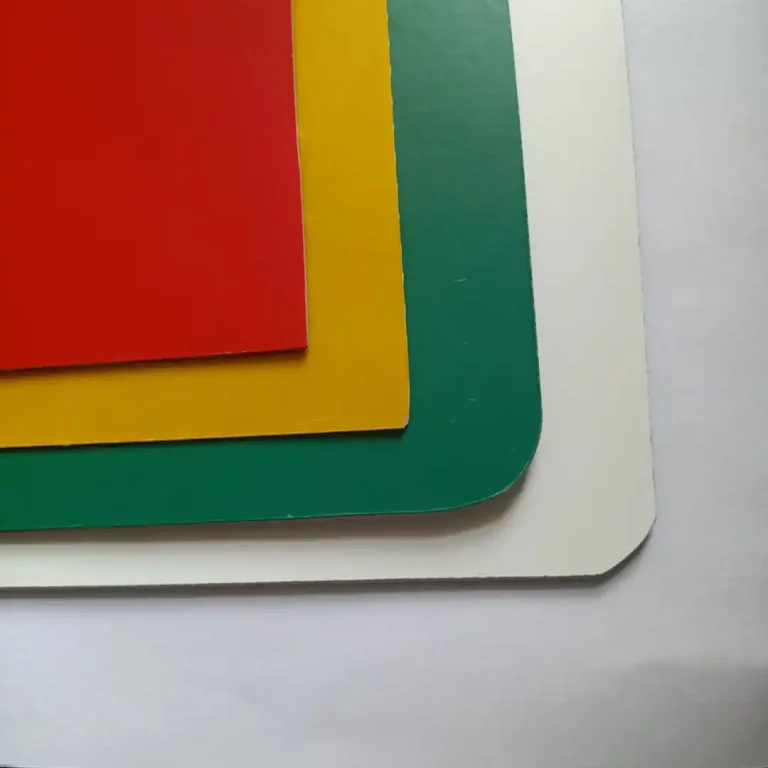
Interior Wall Panels and Partition Walls: We recommend 1.5mm–2.5mm thin FRP panels. These panels are lightweight, flat, easy to cut, and effortless to install. Their surface is fine and smooth, offering excellent decorative texture without a heavy or oppressive feel. They perfectly align with the refined interior design and lightweight requirements of RVs, making them a cost-effective choice for interior finishing.
Exterior body panels and RV roof panels: We recommend 3.0mm–4.0mm medium-thickness FRP panels. These panels offer high strength, wear resistance, and impact resistance. They effectively withstand outdoor weathering, stone impacts, and sun exposure, providing exceptional stability. They remain resistant to deformation and damage over long-term use, ensuring the integrity of the vehicle’s exterior and its outdoor protective performance.
RV Flooring and Load-Bearing Areas in Kitchens and Bathrooms: We recommend 4.0mm–5.0mm thickened FRP panels. Treated with reinforcement processes, these panels offer excellent compressive strength, wear resistance, and load-bearing capacity. They are suitable for high-traffic areas such as daily foot traffic, furniture placement, and frequent use in kitchens and bathrooms, ensuring durability, resistance to deformation, and a longer service life.
III. Custom FRP Wall Panels
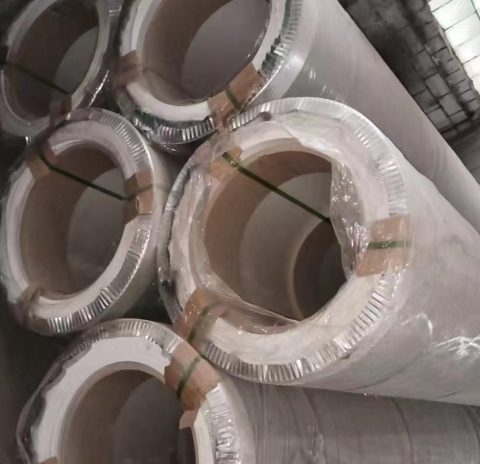
To meet the personalized production needs of domestic and international mass-production factories for medium-to-large motorhomes, as well as custom modification enterprises, our professional FRP factory offers comprehensive customization services.
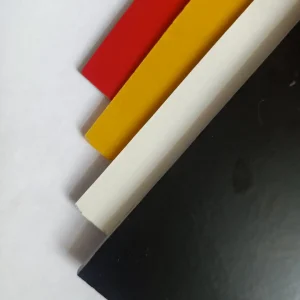
We can tailor panel length and thickness, solid colors or custom RAL color finishes, matte or glossy textures, and full-panel cutting according to your production line requirements. The panels require no secondary sanding or repair and can be directly laminated, painted, and assembled, making them ideal for assembly line mass production and significantly improving production efficiency.
Additionally, our export-grade RV FRP wall panels come with complete compliance certifications and test reports, meeting import standards for overseas markets such as Europe, the Americas, Southeast Asia, and Africa. They are suitable for various scenarios, including export trade and domestic RV inspection and registration.
IV. Summary
The core logic of procuring RV FRP wall panels is to prioritize scenario suitability and prioritize stable performance, rather than simply comparing prices or thicknesses.
Given the unique operating conditions of RVs—including outdoor weather resistance, lightweight construction, vibration resistance, and waterproofing and mold prevention—selecting specialized FRP panels with corresponding performance characteristics and thicknesses is the optimal long-term procurement strategy for RV manufacturers.
This approach not only helps control production costs and reduce processing waste but also minimizes post-sales failures at the source, thereby enhancing the overall quality and market competitiveness of the RV.