

FRP Raw Materials and Key Advantages
June 2, 2026
FRP Glossy Fiber-Reinforced Plastic Sheets
June 9, 2026Comparison of Service Life and Life-Cycle Costs Between FRP Panels and Aluminum Panels
When selecting materials for outdoor projects, coastal infrastructure, industrial plants, and environmental protection equipment, the durability and life-cycle cost-effectiveness of panels directly determine project quality and future investment requirements. Many purchasers habitually choose aluminum panels solely because of their lower initial purchase price, but their long-term drawbacks are significant. Today, FRP (Fiber-Reinforced Plastic) panels are gradually emerging as a superior alternative to aluminum panels due to their comprehensive performance advantages. This article comprehensively compares the practical application value of the two panel types from two core dimensions—service life and life-cycle cost—to provide professional guidance for material selection in engineering projects.
I. Service Life Comparison
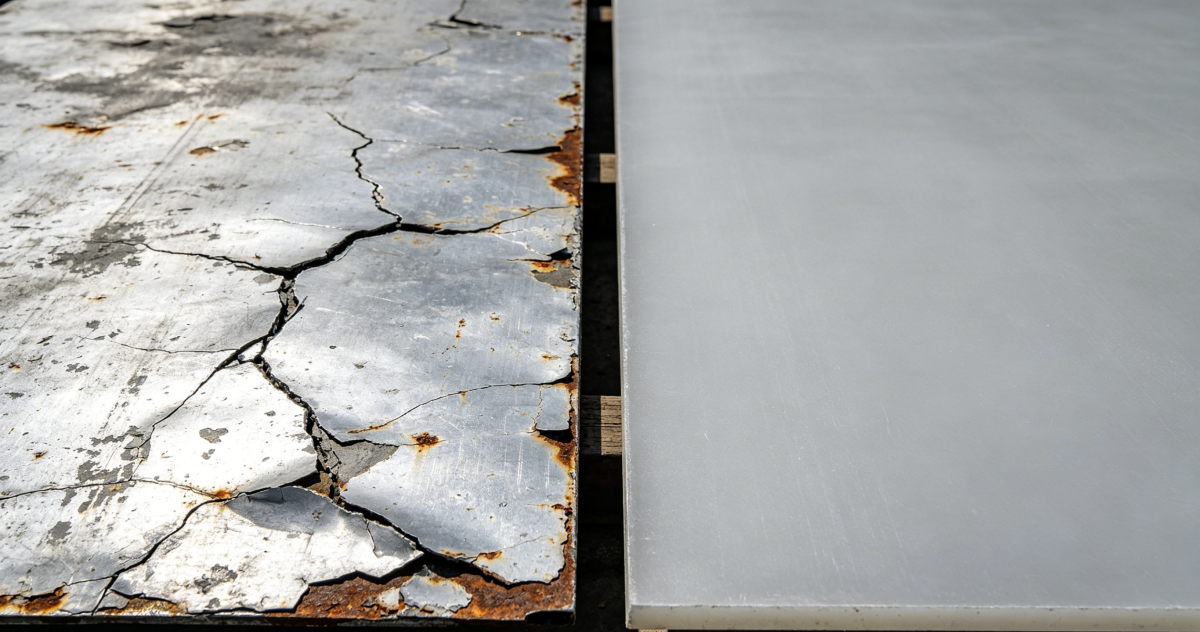
Service life is a core indicator of engineering panel quality, directly impacting project stability and replacement frequency. The durability performance of FRP panels and aluminum panels varies significantly under different operating conditions. As a metal panel, aluminum inherently suffers from weaknesses in weather resistance and corrosion resistance. When exposed to complex environments such as coastal salt fog, intense outdoor sunlight, humid and rainy conditions, and chemical acids and alkalis, it is highly prone to issues like oxidation and whitening, surface rust, panel deformation, and structural aging. Under normal, mild conditions, aluminum panels have a service life of only 15–20 years and require maintenance such as rust prevention, repainting, and refurbishment every 3–5 years. In high-stress, highly corrosive environments, the rate of aging accelerates significantly, further shortening the replacement cycle and rendering them unsuitable for long-term engineering applications.
In contrast, FRP (Fiber-Reinforced Plastic) panels possess inherent weather-resistant and corrosion-resistant advantages. The panel surface is equipped with a high-density, specialized gel coat protective layer, which fundamentally resolves the pain points of metal panels—namely, susceptibility to corrosion and aging. They offer excellent resistance to salt spray, acids and alkalis, UV radiation, and rain and snow erosion, making them perfectly suited for a wide range of harsh and complex construction environments. Under standard operating conditions, FRP panels have a stable service life of 25–30 years—1.5 times longer than aluminum panels. During long-term use, the panels will not crack, fade, rust, or deform; their structural performance remains consistently stable, greatly ensuring the long-term safety and integrity of the project.
II. Full Lifecycle Cost Comparison
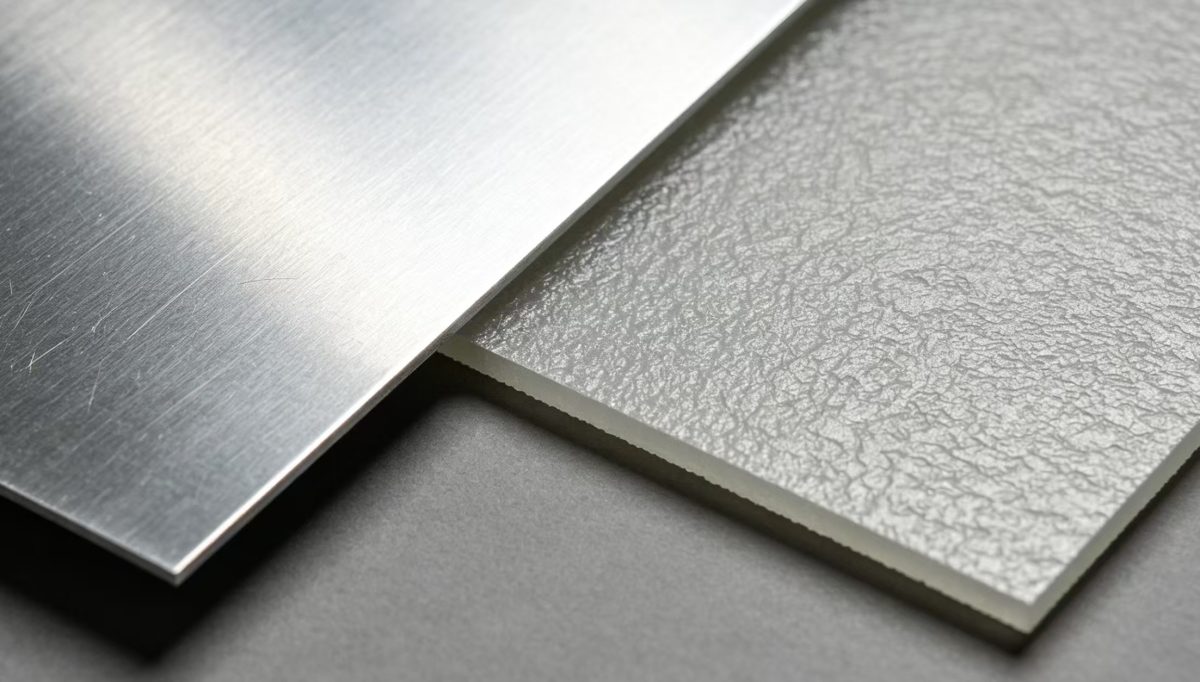
Most material selection errors stem from focusing solely on the unit price of a single purchase while ignoring the comprehensive cost over the panel’s entire lifecycle. While aluminum panels may appear inexpensive at first glance, their cumulative long-term costs are extremely high. In contrast, the comprehensive cost-saving advantages of FRP panels are particularly evident in long-term projects. In terms of initial procurement costs, the unit price of raw materials for aluminum panels is lower. FRP panels, due to their composite curing process and high-quality protective materials, have a slightly higher upfront purchase price than aluminum panels. However, this is merely a one-time book cost and does not represent the total project cost.
During construction and installation, FRP panels offer significant weight advantages—weighing 50% less than aluminum panels. They are easy to handle and do not require large-scale hoisting equipment, effectively reducing labor, logistics, and equipment rental costs. At the same time, they shorten the construction timeline and improve project implementation efficiency, indirectly saving the project a substantial amount of money.
The biggest difference between the two lies in long-term maintenance costs, which is also the key cost-saving feature of FRP panels. Aluminum panels require regular anti-corrosion maintenance and refurbishment, necessitating repainting, rust removal, and repairs every few years. The cumulative costs of long-term maintenance, repairs, and replacements continue to add up, significantly driving up the overall project cost. In contrast, FRP panels require virtually zero maintenance after installation—no anti-rust painting or frequent refurbishment is needed; only simple daily cleaning is required. Industry tests have shown that over a 25-year service life, the total cost of FRP panels is 15%–30% lower than that of aluminum panels, offering far superior long-term value for money.
III. Key Differentiating Advantages of FRP Panels
Compared to traditional aluminum panels, FRP (Fiber-Reinforced Plastic) panels not only offer significant advantages in terms of lifespan and cost, but also possess several core performance characteristics that metal panels cannot match. They are suitable for a wider range of specialized, high-end, and demanding engineering applications, making them the top choice for upgrading material selection in modern engineering projects.
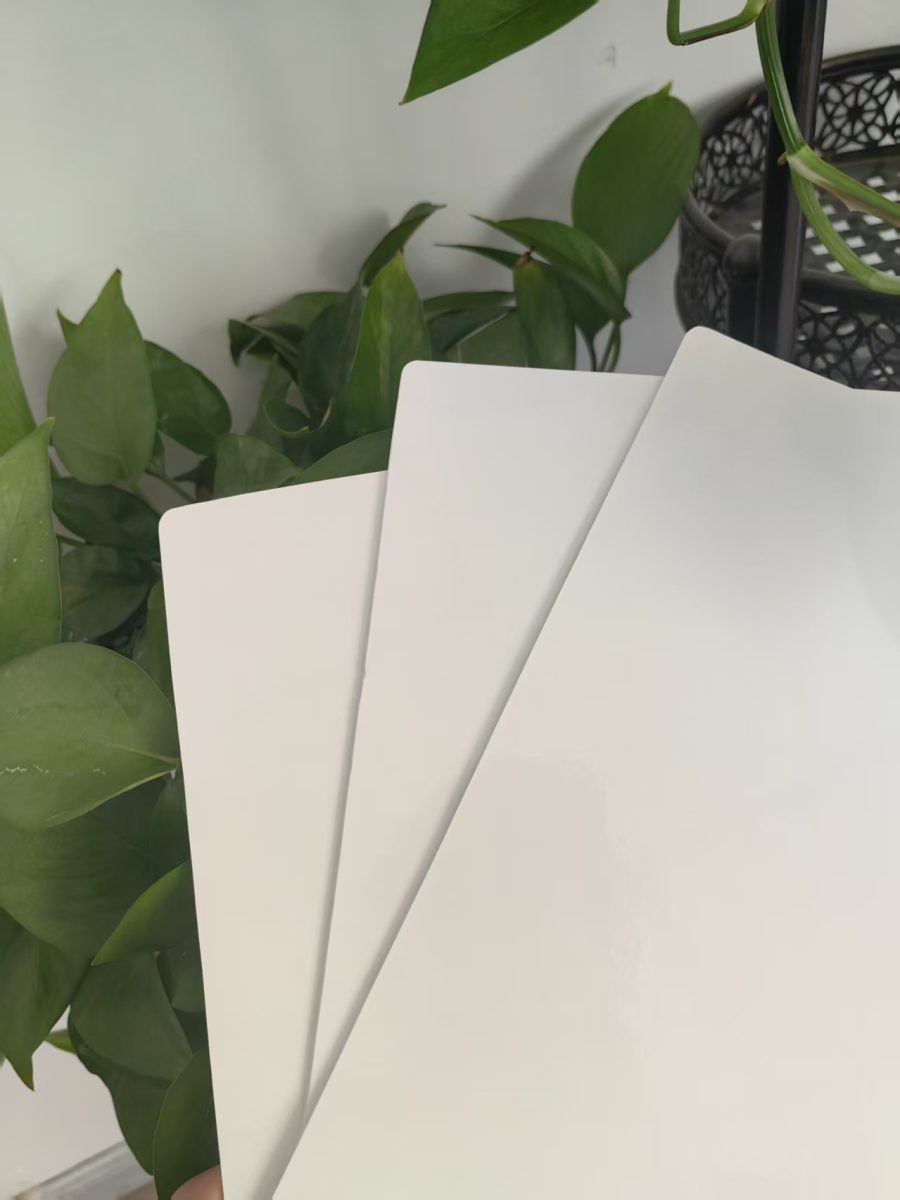
- Exceptional Corrosion and Weather Resistance, Suitable for Harsh Conditions: As a metal material, aluminum panels inevitably oxidize and rust when exposed to salt spray, acids, alkalis, or humid air. Even with spray coating, issues such as paint peeling and corrosion perforation may occur. In contrast, FRP panels are non-metallic composite materials with a built-in gel coat protective layer. They are resistant to acids, alkalis, salt spray, corrosion, and UV aging. They withstand coastal sea winds, chemical plant corrosion, and prolonged outdoor exposure without rusting, whitening, or peeling over time.
- Insulation and Safety, No Risk of Electrical Conductivity: Aluminum panels are metallic conductors, posing risks of electrical conductivity and leakage, making them unsuitable for high-safety-requirement scenarios such as power generation, substations, and renewable energy facilities. FRP panels possess excellent insulation properties; they do not conduct or store electricity and have a high insulation rating, effectively preventing electrical safety incidents. They are widely applicable in special scenarios such as power plant fencing, photovoltaic installations, renewable energy plant buildings, and electrical equipment enclosures, offering safety far superior to aluminum panels.
- Lightweight and high-strength, making construction easier: FRP panels have low density and are lightweight, weighing nearly half as much as aluminum panels of the same specifications. This significantly reduces the load on walls and steel structures, making them suitable for constrained environments such as retrofits of older buildings and lightweight enclosures. Additionally, the panels offer excellent toughness, impact resistance, and resistance to deformation. Unlike aluminum panels, which are prone to dents, dings, and bending, FRP panels provide superior structural stability and require no repairs or refinishing over time.
- Long-lasting aesthetics, no painting or maintenance required: After several years of use, aluminum panels are prone to oxidation, discoloration, and paint peeling, resulting in a worn and mottled appearance that requires frequent repainting and refurbishment. FRP panels utilize an integrated coloring process where the color penetrates the surface layer, making them wear-resistant, fade-resistant, and resistant to yellowing. They maintain a clean and attractive appearance year-round without requiring subsequent painting or maintenance, making them ideal for projects with high aesthetic demands such as outdoor decoration, venue enclosures, and exterior wall cladding.
- High Customizability, Suitable for All Scenarios: FRP panels can be customized to meet project requirements, including different thicknesses, dimensions, colors, and light transmittance levels. They support custom shaping and are suitable for various applications such as industrial plants, coastal projects, environmental protection equipment, municipal decoration, and livestock and chemical facilities. Compared to aluminum panels, which are limited in specifications and difficult to modify, FRP panels offer greater adaptability and flexibility.
IV. Summary of Material Selection
Based on a comprehensive comparison, aluminum panels are only suitable for simple indoor applications that are short-term and involve mild, non-corrosive environments. In contrast, FRP panels, with their exceptionally long service life, zero maintenance costs, high safety and insulation, strong corrosion resistance, enduring aesthetic appeal, and customization capabilities, perfectly address the pain points of traditional aluminum panels—such as susceptibility to aging, high maintenance requirements, short lifespan, and poor safety. They significantly reduce the total lifecycle cost of projects and are the preferred upgrade material for modern industrial, municipal, coastal, and new energy projects seeking to cut costs, improve efficiency, and enhance project quality.