A POWERFUL END TO THE SEASON OF AUTOMOTIVE INDUSTRY AND SPARE PARTS EXHIBITIONS
July 14, 2025
Composites vs. Steel
July 31, 2025
A POWERFUL END TO THE SEASON OF AUTOMOTIVE INDUSTRY AND SPARE PARTS EXHIBITIONS
July 14, 2025
Composites vs. Steel
July 31, 2025
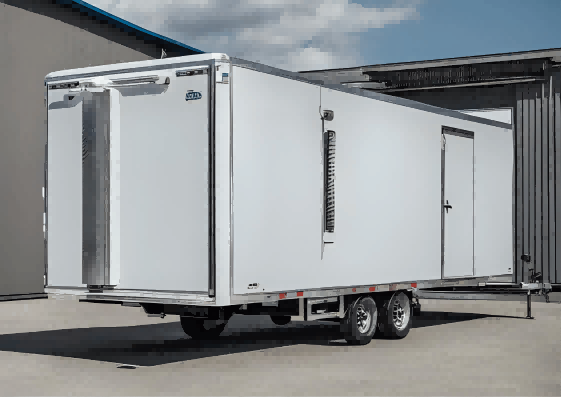
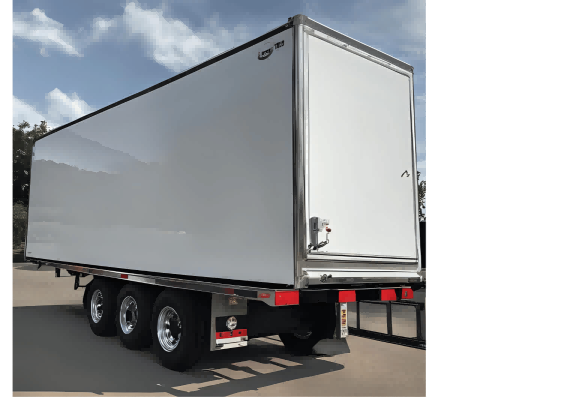
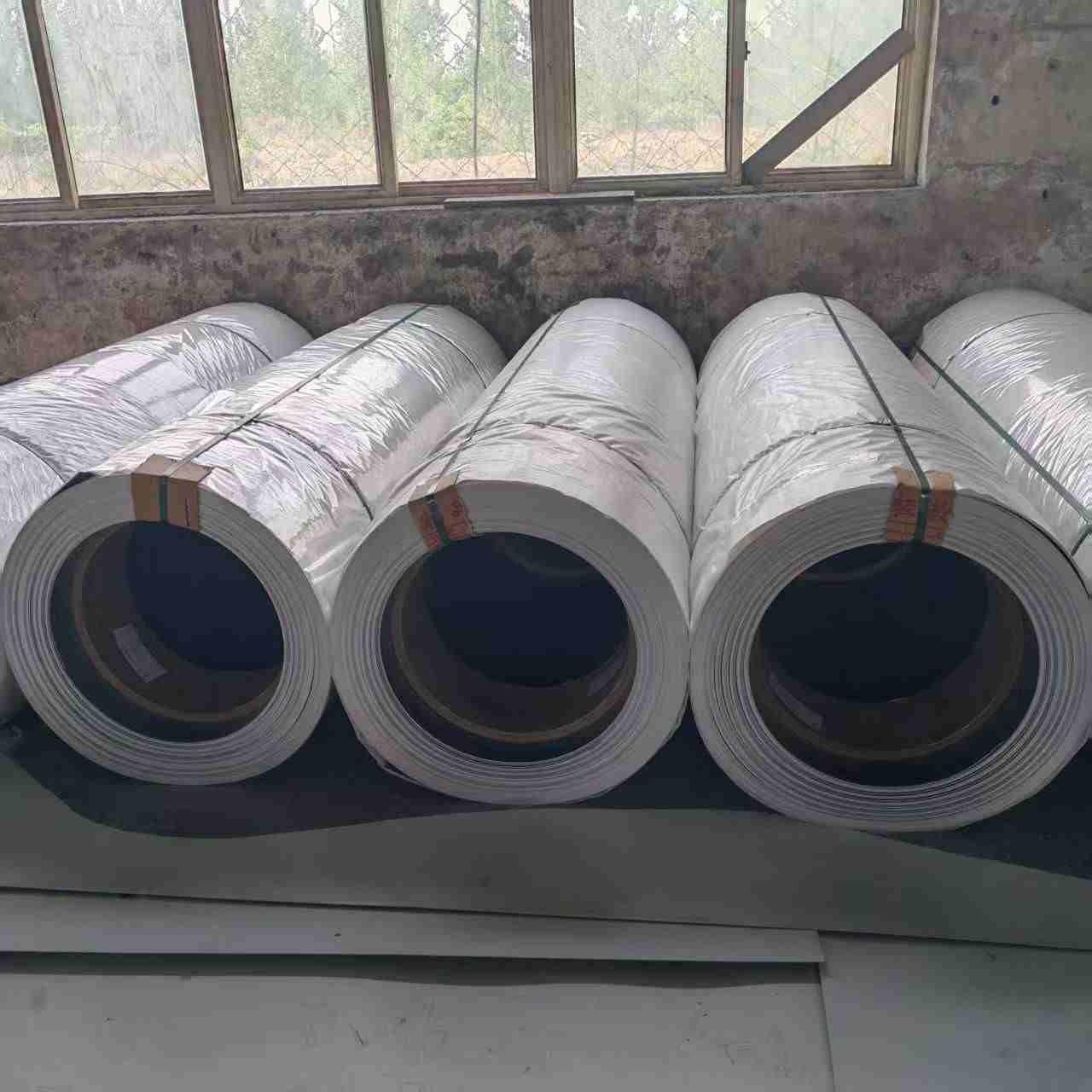
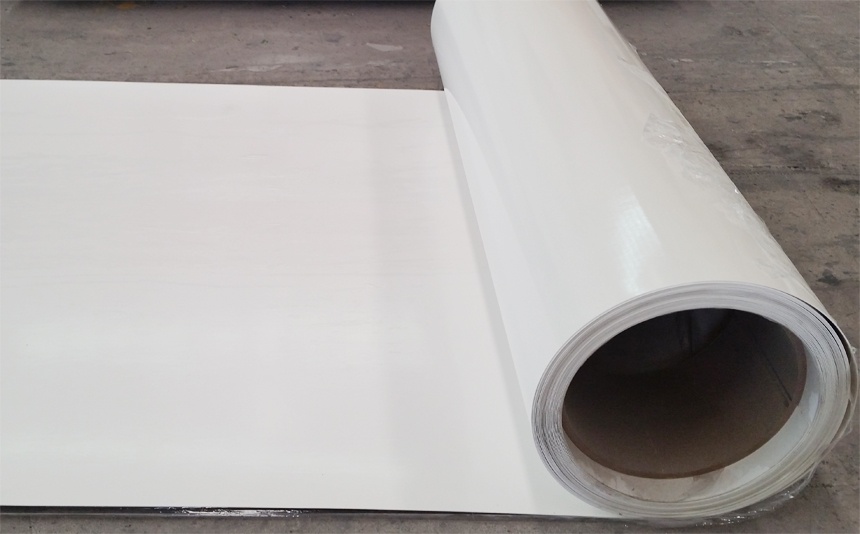
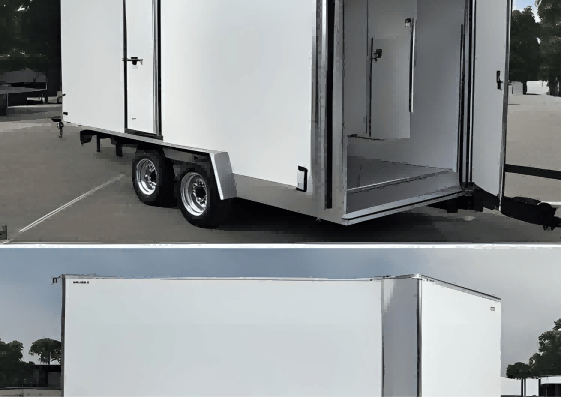
The Advantages of FRP in Refrigerated Truck Bodies
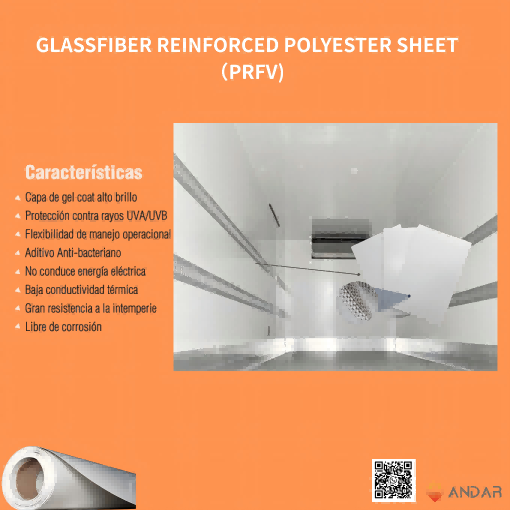
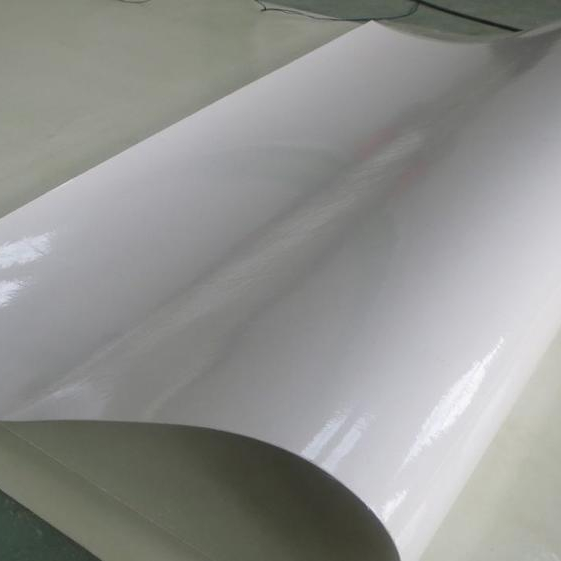
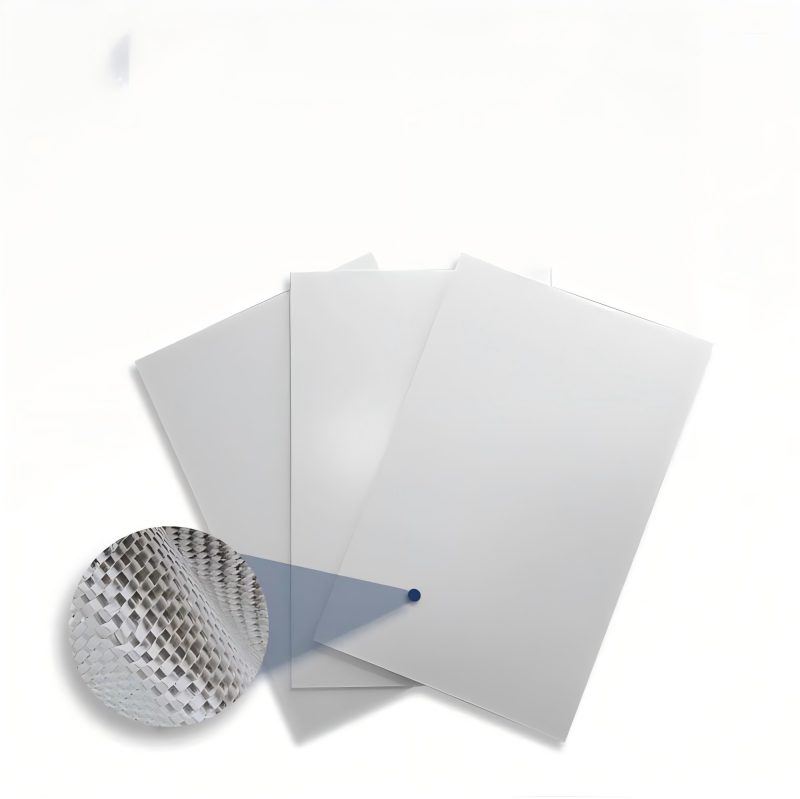
Glass Fiber Reinforced Plastic (FRP) has revolutionized refrigerated transportation. Unlike traditional metals, FRP composite panels use a “sandwich” structure: high-strength FRP surface layers bonded to a rigid polyurethane foam core. This design creates a seamless, non-thermal-bridge barrier that locks cold air in and heat out—critical for perishables like pharmaceuticals, seafood, and fresh produce

Global Applications & Innovations

  • Lightweight Urban Delivery: Models like Karry Ice River use 50–70mm FRP/XPS panels for agile, energy-efficient last-mile transport.

  • Heavy-Duty Trailers: Export-grade 11m trailers (e.g., Kole units to Japan) leverage FRP’s strength-to-weight ratio for max payloads.

  • Smart Food SafetySinotruk’s FRP-bodied trucks with antimicrobial inner coatings ensure HACCP compliance for meat/dairy.

FRP Refrigerated Truck Technical Specifications

ParameterFRP PerformanceTraditional Metal
Thermal Conductivity0.23 W/m²·K (panel) + 0.018 W/m²·K (core)50 W/m²·K (steel)
Weight30–40% lighterHeavy, increases fuel consumption
Corrosion ResistanceImmune to rust/chemicalsProne to rust, requires coatings
Lifespan10–15 years (no degradation)5–8 years (with maintenance)
Temperature RangeStable from -40°C to +120°CMay warp or condense moisture

Why FRP Dominates Future Cold Chain Logistics?

As e-commerce groceries and vaccine logistics boom, FRP’s edge grows:

  • Sustainability: 100% recyclable foam cores + low-emission production.

  • Customization: Panels fabricated up to 13.5m long × 2.9m wide in any thickness (50–120mm)

  • Smart Integration: FRP’s smooth surface enables IoT sensors for real-time temperature tracking.

Key Technical Advantages Driving Adoption

  • Superior Thermal Insulation
    FRP panels achieve ultra-low thermal conductivity (K-value: ≤0.3 W/m²·K)—17x better than concrete and 450x better than steel. The polyurethane foam core (0.018–0.028 W/m²·K) combined with FRP’s airtight seal minimizes temperature fluctuations, ensuring consistent conditions down to -20°C35.

  • Lightweight Yet Ultra-Strong
    FRP cuts tare weight by 30–40% versus steel or aluminum bodies8. This translates to higher payload capacity (e.g., +1 ton for medium trucks) and reduced fuel costs—critical for profitability in logistics . Despite its lightness, FRP withstands impacts 200–350x better than glass and resists denting or deformation.

  • Zero Corrosion, Zero Rust
    FRP is inherently immune to rust and chemical degradation. It withstands salt spray, acidic cleaners, and humid environments—ideal for seafood transport or coastal operations. Surface gel coatings retain color and gloss for over 10 years without fading.

  • Hygienic & Easy Maintenance
    Non-porous FRP surfaces prevent bacterial growth and enable FDA/EC-compliant cleaning. Spills wipe away effortlessly, and panels tolerate high-pressure washing without degradation.  Damaged sections can be patched seamlessly—unlike metals requiring weld repairs.

  • Cost Efficiency
    FRP bodies cost 15–25% less than equivalent stainless steel or aluminum units.  Their durability slashes long-term expenses: no repainting, rust treatment, or panel replacement needed.

Get Your Free Quotation Now!

Error: Contact form not found.