

Gel Coat FRP Panels For Refrigerated Truck Cargo Box: Weather & Chemical Resistant
July 6, 2026
How Gel Coat Layer Protects FRP Panels From UV Damage & Aging
July 10, 2026Antimicrobial FRP Panels for Hospital Operating Rooms and Laboratory Workbenches
I. Introduction
Hospital operating rooms and laboratory workbenches impose strict hygiene, corrosion resistance, and cleanliness requirements on building materials.
These spaces experience high foot traffic and frequent exposure to rubbing alcohol, chlorine-based disinfectants, acidic and alkaline reagents, bodily fluids, and various microorganisms.
Conventional wall and countertop materials are prone to bacterial growth, corrosion, and damage, and their crevices can harbor dirt and grime, making it difficult to meet medical cleanliness standards.
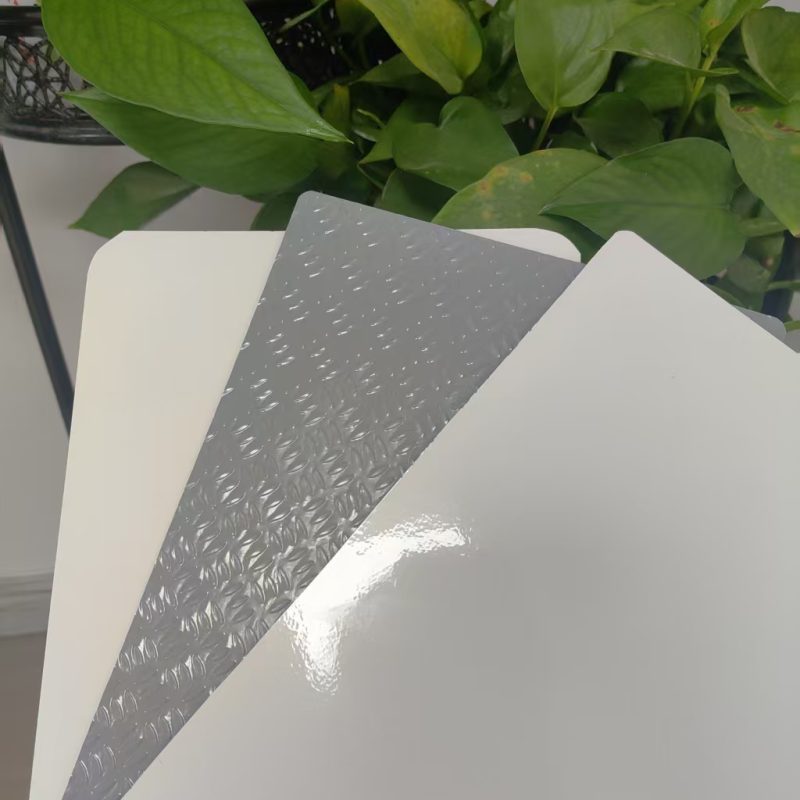
Antibacterial gel-coated FRP panels are specifically designed for medical clean environments. Featuring a long-lasting antibacterial coating, they also offer advantages such as chemical resistance, a dense, seamless structure, ease of cleaning, and protection against moisture and mold, making them the ideal composite material for operating room walls, laboratory workbenches, and sterile partitions.
This article provides a comprehensive overview of the core advantages of antibacterial FRP panels for medical clean spaces and key considerations for selection.
II. Long-Lasting Antimicrobial Surface Layer Meets Medical Sterility Standards
2.1 Built-in Antimicrobial Gel Coat Continuously Inhibits Bacterial Growth
Food-grade and medical-grade antimicrobial additives are incorporated into the gel coat on the panel’s surface. The antimicrobial components are uniformly integrated within the gel coating, ensuring they do not wear off or lose effectiveness quickly due to frequent wiping or disinfection. It effectively inhibits the adhesion and reproduction of common pathogenic bacteria such as E. coli, Staphylococcus aureus, and mold, significantly reducing the risk of cross-infection and fully complying with the cleanliness and hygiene standards for hospital operating rooms and biological laboratories.
Unlike conventional panels that only have an antibacterial layer sprayed onto the surface, the integrally molded antibacterial gel coat is wear-resistant and durable, maintaining stable antibacterial efficacy even under long-term, high-frequency disinfection.
2.2 Seamless, Dense Panel Surface with No Hiding Places for Bacteria
The antimicrobial FRP is molded as a single unit, resulting in a dense, pore-free surface with minimal installation joints.
There are no areas prone to dirt accumulation and bacterial harboring, such as tile grout or metal welds.
Daily cleaning and wiping by medical staff leaves no hygiene blind spots; the structure itself minimizes microbial attachment points, maintaining a consistently clean environment in operating rooms and laboratories.
III. Resistance to Corrosion from Various Chemical Disinfectants and Reagents
3.1 Resistance to High-Strength Medical Disinfectants
Operating rooms are repeatedly wiped and disinfected daily with highly corrosive agents such as alcohol, 84 Disinfectant, peracetic acid, and disinfectant effervescent tablets. Metal panels are prone to developing oxidation spots, while ordinary plastics and gypsum boards age, turn white, and peel when exposed to disinfectants.
The antimicrobial FRP gel coat is resistant to acids, alkalis, and oxidation. Even with long-term exposure to various disinfectants, it does not corrode, discolor, or develop pits. The panel surface remains intact and smooth, ensuring a longer service life and thereby reducing the costs associated with frequent renovations and replacements.
3.2 Suitable for Laboratory Environments with Acidic and Alkaline Reagents
Countertops in chemistry and biology laboratories are frequently exposed to weak acids, weak alkalis, organic reagents, and staining agents.
Antibacterial FRP panels can withstand the corrosion of most common chemical reagents; spills can be easily cleaned with plain water, leaving no permanent corrosion marks and preserving the countertop’s integrity and appearance.
IV. Moisture- and Water-Resistant, Easy to Clean—Suitable for High-Humidity Clean Rooms
4.1 Water-Repellent and Moisture-Resistant, Eliminating Mold and Odors
Cleaning in operating rooms and rinsing in laboratories generate large amounts of water vapor. Traditional wooden and gypsum panels are highly prone to absorbing water, leading to mold growth, unpleasant odors, and the spread of mold spores. Antimicrobial FRP is completely water-repellent; water vapor and wastewater remain only on the panel’s surface and can be quickly wiped dry to maintain dryness, eliminating mold issues at the source and keeping indoor air clean.
4.2 Smooth and Flat, Wipes Clean in an Instant
The panel surface is smooth and fine-textured, making it difficult for grease, bodily fluids, and reagent residues to adhere.
Daily cleaning requires only a simple wipe with water or a neutral detergent to restore cleanliness.
This streamlined cleaning process significantly reduces the cleaning workload for medical and laboratory staff, enhancing departmental operational efficiency.
V. Comprehensive Physical Properties, Suitable for Long-Term Use in Medical Settings
5.1 Lightweight and High-Strength, Impact-Resistant and Durable
The panels are lightweight, reducing the load on building walls. The base material can be selected as standard fiberglass or a WR-woven roving-reinforced version, offering impact and scratch resistance. Even with minor collisions from medical devices or laboratoryware, the panels are unlikely to crack or dent, and are resistant to damage or chips during long-term use.
5.2 Customizable Flexibility to Meet Diverse Medical Design Needs
The flexible resin matrix allows for slight bending, enabling the creation of curved corners and arched workstations to prevent dirt accumulation in right-angle joints. Thickness, dimensions, and colors are all customizable, making them suitable for a wide range of applications, including operating room walls, cleanroom partitions, laboratory countertops, and laboratory wall panels.
VI. Recommendations for Selection by Application
General outpatient testing labs and small laboratories: Standard antibacterial smooth-surface FRP, offering high cost-effectiveness and meeting basic antibacterial and corrosion-resistant requirements;
Operating rooms, sterile wards, and biosafety laboratories: Thickened medical-grade antibacterial gel-coated FRP, providing longer-lasting antibacterial protection and withstanding high-intensity, repeated disinfection;
Heavy-duty laboratory workbenches and instrument support surfaces: Upgraded WR-woven roving-reinforced antimicrobial FRP, which enhances compressive strength and impact resistance;
Damp disinfection and cleaning rooms: Preferably use a high-density, waterproof antimicrobial formulation to strengthen moisture resistance and prevent seepage.
VII. Summary
Antibacterial FRP panels, featuring an integrated antibacterial gel coat layer, combine multiple core advantages—including long-lasting antibacterial properties, resistance to chemical corrosion from disinfection, waterproofing and moisture resistance, and seamless, easy-to-clean surfaces—to perfectly address the hygiene, corrosion prevention, and cleanliness challenges of operating room and laboratory walls and countertops.
Compared to stainless steel, ceramic tiles, and ordinary decorative panels, antimicrobial FRP has no hygiene blind spots, lower maintenance costs, and a longer overall service life. It has now become the specialized, high-end building material of choice for clean spaces in hospitals and research laboratories.
Our full range of antimicrobial FRP panels supports customized specifications for thickness, dimensions, color, and WR high-strength structures, providing a one-stop solution for medical cleanroom projects and laboratory renovation projects.