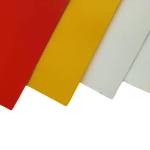
Embosses series
July 2, 2025
Fiberglass plastic : Your Ideal Composite Solutionseries
July 3, 2025

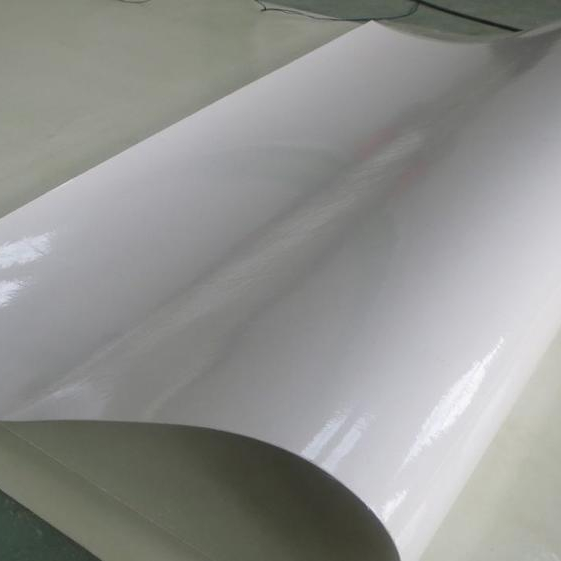
FRP - Fiber Reinforced Plastic panel

1 2 3 4 5
Different thickness, Different Price.
Our staff will give you the most suitable quote.

FRP - Fiber Reinforced Plastic panel

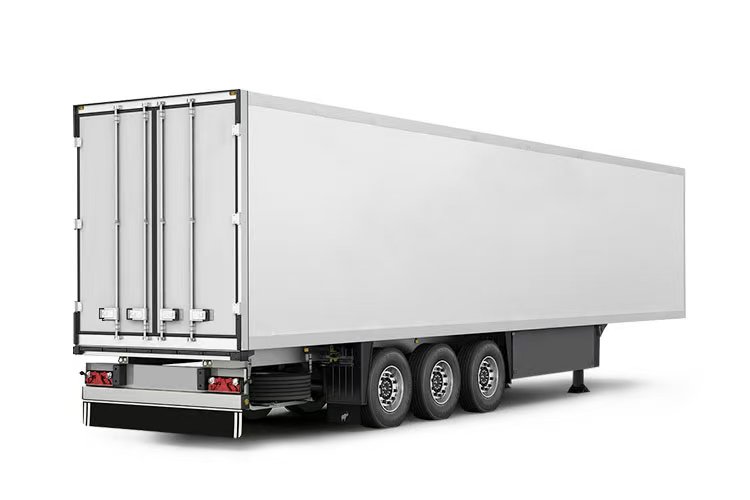
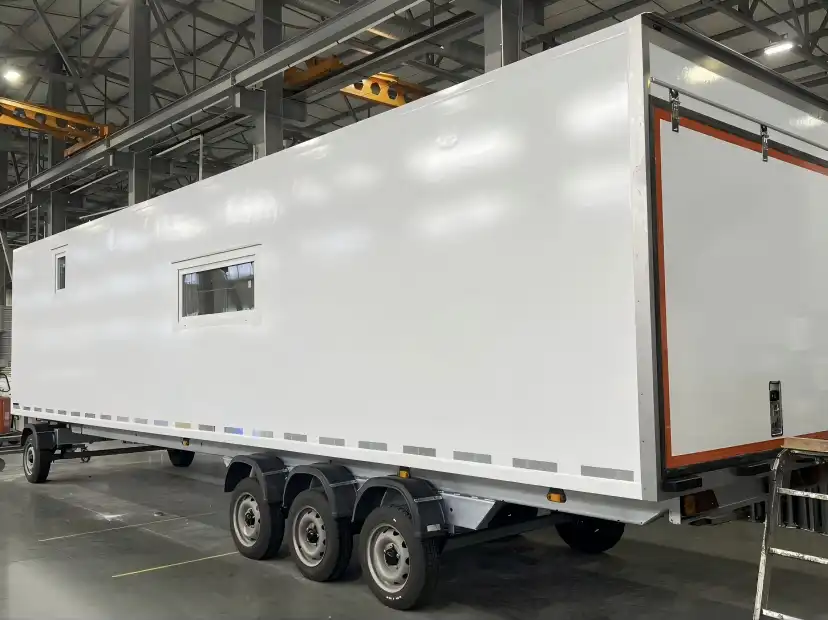
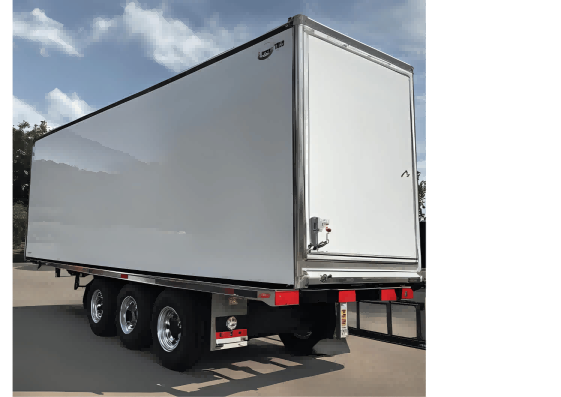
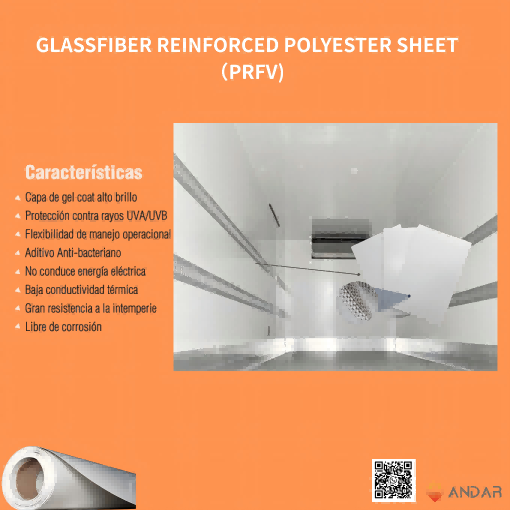
Fiberglass Reinforced Plastic (FRP)—a composite material with glass fiber-reinforced resin as its core—is emerging as an ideal choice for refrigerated truck manufacturing due to its lightweight yet high strength, corrosion resistance, and superior thermal insulation properties.

Compared to traditional metal materials, FRP has only 1/4 to 1/3 the density of steel while maintaining comparable load-bearing capacity. Furthermore, its structural design enables a “zero-metal thermal bridge” effect, fundamentally addressing energy inefficiency and frost buildup issues in refrigerated transport.

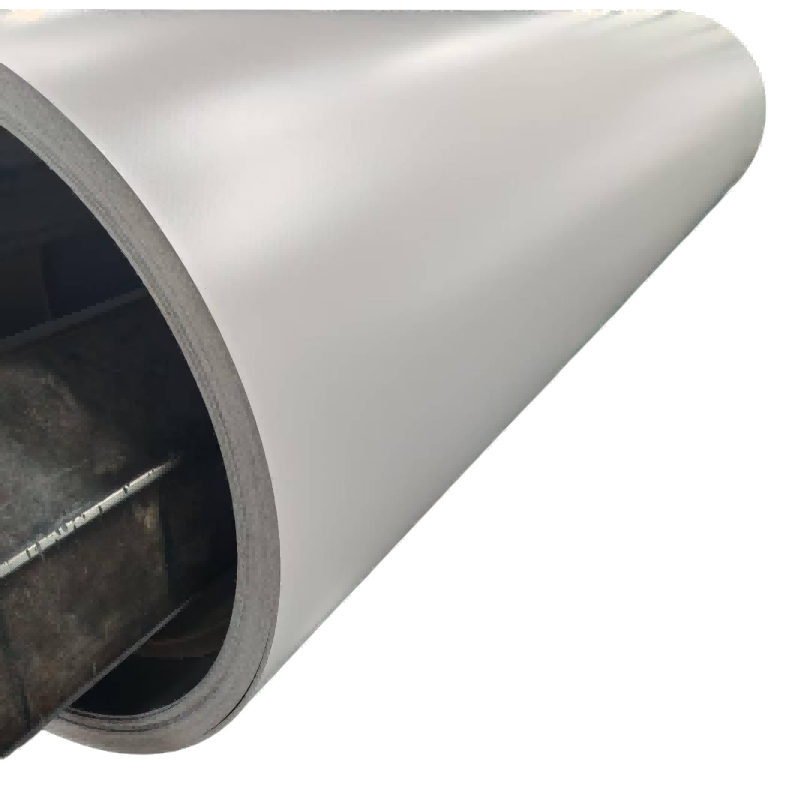
Description of Matte series

Why choose FRP Material for Cold Chain Transport?

 FRP: A Revolutionary Material for Cold Chain Transport


Fiberglass Reinforced Plastic (FRP), with its core composition of resin reinforced by glass fibers, combines lightweight strength, corrosion resistance, and superior thermal insulation, making it an ideal material for refrigerated truck manufacturing. Compared to traditional metal materials, its density is only 1/4 to 1/3 that of steel while bearing equivalent load capacity. Moreover, through structural design, it achieves a “zero-metal thermal bridge,” fundamentally resolving energy consumption and frost formation issues in refrigerated trucks.

 Core Advantages of FRP Refrigerated Trucks: Dual Breakthroughs in Technology and Performance
  1. Ultimate Thermal Insulation, Drastically Reduced Energy Consumption
    The FRP sandwich structure can incorporate polyurethane (PU) or expanded polystyrene (EPS) insulation layers, with thermal conductivity as low as 0.02–0.03 W/(m·K). Combined with seamless welding technology, the heat leakage rate of the compartment is reduced by over 40% compared to metal bodies. For example, a 30-cubic-meter refrigerated truck with an FRP body can save approximately 12,000 liters of fuel annually, reducing carbon emissions by 30 tons.

  2. Lightweight Design, Enhanced Loading Efficiency
    For the same volume, FRP compartments are 300–500 kg lighter than steel compartments, equivalent to carrying 30–50 additional boxes of fresh produce per trip. Field tests by a European cold chain logistics company showed that after switching to FRP refrigerated trucks, single-vehicle transport efficiency increased by 15%, while logistics costs dropped by 8%.

  3. Corrosion and Aging Resistance, Adaptable to Extreme Environments
    The chemical stability of the resin matrix and glass fibers ensures performance remains stable in salt spray, acidic, and alkaline environments. For instance, in seafood transport, FRP compartments treated with food-grade gel coats resist seawater spray erosion, achieving a service life of over 15 years—twice that of ordinary metal compartments.

  4. Food-Grade Safety, Effortless Cleaning
    The smooth, non-porous surface complies with international food contact material standards such as FDA and EC 1935/2004, preventing bacterial growth and odor retention. The modular design supports full-compartment high-pressure water jet cleaning, improving cleaning efficiency by 50% compared to metal compartments and meeting EU HACCP certification requirements.

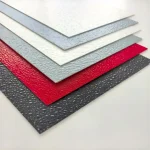
In summary, the core benefits of FRP (Fiberglass Reinforced Plastic)

Delivery Capability:
Our overseas warehouses cover North America, Southeast Asia, and the Middle East, providing localized installation and after-sales support, with a 48-hour response time for spare parts requests.

Cost Optimization:
Through bulk fiberglass procurement and automated molding processes, our pricing is 20-30% lower than comparable European products, reducing total cost of ownership (TCO) by 40% over the product lifecycle.

Applications of FRP - Fiber Reinforced Plastic panel

Application Fields Core Requirements FRP Solution Advantages
Fresh Produce Transport Precise temperature control, impact protection Multi-temperature zone partitions with cushioning layers reduce produce damage rate
Pharmaceutical Cold Chain GMP compliance, temperature traceability Integrated temperature sensors with FRP insulation layer for real-time monitoring
Seafood & Aquatic Products Transport Salt spray resistance, waterproof leakage prevention Full-seal gel coat coating with mortise-tenon joint waterproof design
Ice Cream Transport Ultra-low temperature maintenance (-25°C and below) Thickened insulation layer with double-layered FRP sandwich structure

Get Your Free Quotation Now!