
FRP Panel Buying Guide: Gel Coat, WR Reinforcement, Embossed Texture All Explained
June 29, 2026
Anti-Slip FRP Flooring for Camper Vans & Horse Trailers
July 3, 2026The 5 Key Advantages of FRP Panels in the Construction of RV Sidewalls and Roofs
I. Introduction
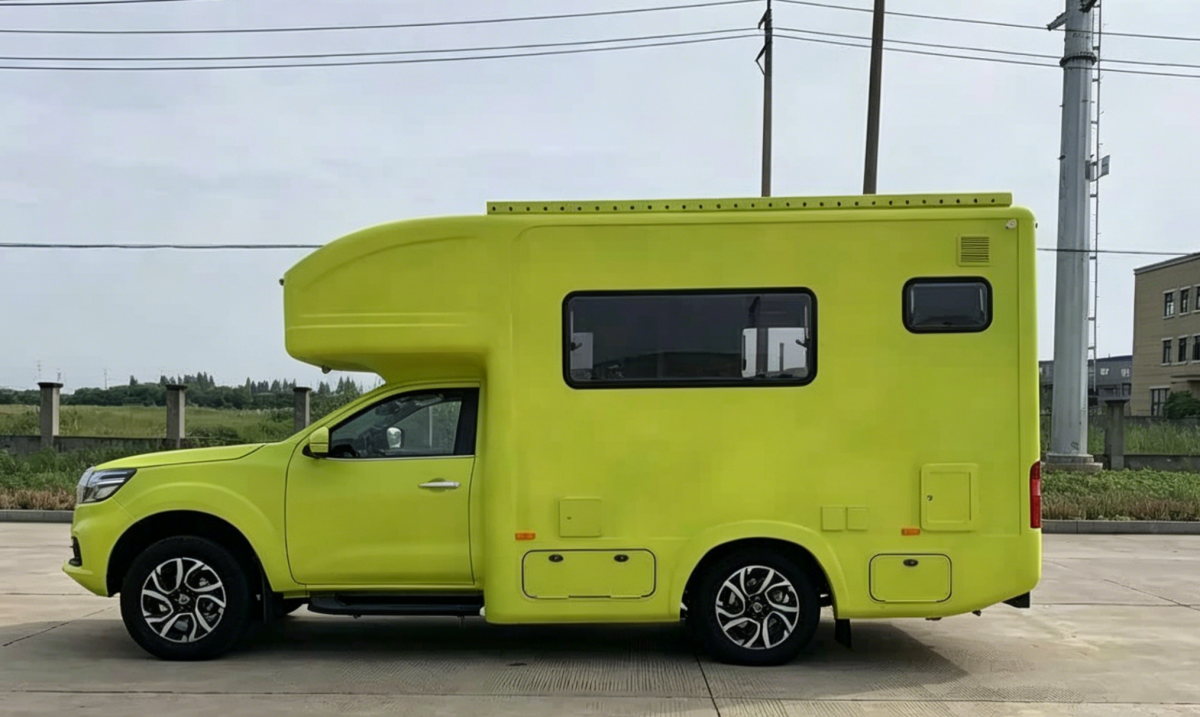
The sidewalls and roof of an RV constitute the most critical structural components of the vehicle, directly determining its aesthetic appeal, driving safety, living comfort, and long-term durability. Traditional RVs often use materials such as aluminum alloy, standard fiberglass, and sheet metal, which generally suffer from issues such as susceptibility to corrosion, poor thermal insulation, susceptibility to deformation, and high maintenance costs. Today, an increasing number of mid- to high-end RVs, motorhomes, and commercially modified vehicles are fully adopting FRP (fiberglass-reinforced plastic) panels as the primary material for side walls and roofs. This article summarizes the five most critical advantages in RV body construction, clearly explaining why FRP panels have become the standard material of choice for modern RV body manufacturing.
II. Weather Resistance and Aging Resistance: No Fading or Cracking During Long-Term Outdoor Use
2.1 Stable Outdoor Weather Resistance
RV bodies are frequently parked outdoors year-round and travel long distances, facing prolonged exposure to UV radiation, rain, temperature fluctuations, and wind and snow erosion. Ordinary panels are highly prone to issues such as yellowing, chalking, peeling, water seepage, and delamination. High-quality FRP panels feature a dense gel coat on their surface, providing excellent UV resistance, aging resistance, and weather resistance, enabling them to withstand extreme outdoor conditions over the long term. Even after prolonged use, the panel surface does not fade, crack, or peel, ensuring the vehicle maintains an exceptionally high level of aesthetic integrity and effectively extending the service life of the RV body.
2.2 Eliminating the Risk of Rust and Corrosion
Unlike aluminum alloy and metal materials, FRP panels are completely rust- and corrosion-resistant.
They are unaffected by humid environments, salt fog, and acid or alkali erosion from rainwater, making them particularly suitable for long-term use in humid southern regions and coastal areas.
This fundamentally resolves common issues such as body corrosion, rust spots, and damage.
III. Lightweight and High-Strength: Reducing Vehicle Weight for Better Fuel Efficiency and Stability
3.1 Significant Advantages of a Lightweight Body
RV side walls and roofs cover a large surface area, so the weight of the materials used directly affects the vehicle’s payload capacity and fuel consumption. FRP panels are significantly lighter than aluminum alloy and metal panels. Replacing traditional materials with FRP effectively reduces the vehicle’s curb weight, lowers fuel consumption, improves acceleration performance and braking stability, and reduces driving load—making long-distance travel more comfortable and energy-efficient.
3.2 High Structural Strength, Impact-Resistant and Resistant to Deformation
Although lighter in weight, FRP panels offer excellent structural strength and are highly resistant to impact, bending, and deformation. They are unlikely to dent or crack due to road bumps, stone impacts, or minor collisions. Combined with the WR-woven roving reinforcement process, this further enhances the overall structural stability of the roof and side walls, making the RV body more robust and durable.
IV. Excellent Thermal Insulation and Heat Retention, Significantly Enhancing Living Comfort
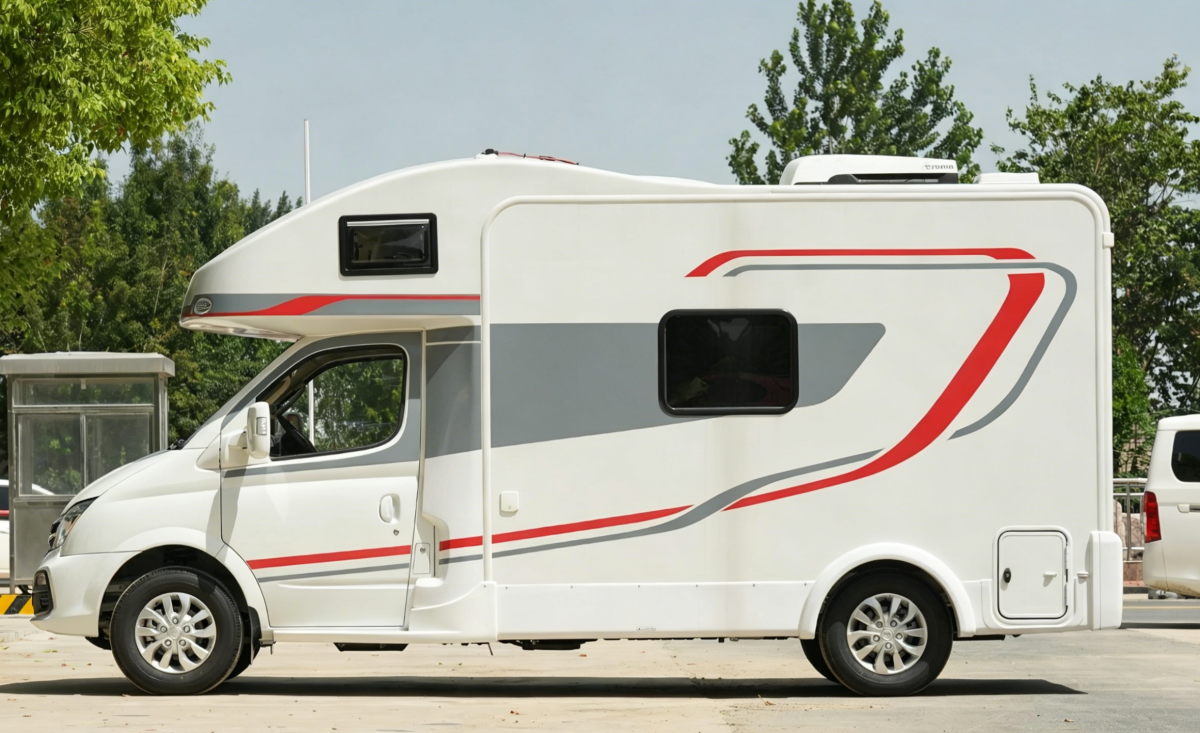
The side walls and roof of an RV are the primary areas for heat transfer.
Aluminum alloy conducts heat rapidly, causing the interior to become stiflingly hot under intense summer sun and allowing cold air to penetrate quickly in winter, making condensation highly likely.
FRP panels have a low thermal conductivity and possess naturally superior thermal insulation properties.
They effectively block the transfer of high and low outdoor temperatures, providing heat insulation in summer and thermal retention in winter.
This stabilizes the interior temperature, significantly enhancing living comfort while reducing air conditioning energy consumption.
This makes them ideal for long-distance travel and camping year-round.
V. High Aesthetic Appeal and Enhanced Vehicle Cohesion

FRP panels feature a smooth, fine surface with uniform panel shapes and minimal seams, giving the vehicle a more premium appearance. A variety of surface finishes are available, including glossy, matte, solid colors, and custom patterns. Unlike metal, they lack a harsh texture, presenting a clean and sophisticated visual appearance. Additionally, the panels are dense and smooth, making them dust- and stain-resistant and easy to clean. Daily rainwater runoff is sufficient to keep the body clean, simplifying long-term maintenance. There is no need for frequent repainting or refinishing, significantly reducing maintenance costs.
VI. Excellent Water Resistance and Seepage Prevention, Eliminating the Risk of Roof Leaks
Roof leaks and water seepage are the most common and frustrating after-sales issues with RVs. High-quality FRP panels are manufactured using a one-piece molding process, resulting in a dense, pore-free structure with outstanding overall waterproofing and seepage resistance. The panels are resistant to water absorption and delamination. When combined with professional body construction techniques, they effectively prevent rainwater penetration, mold growth on the body, and internal panel rot, ensuring long-term, worry-free, and durable RV use.
VII. Summary
When used in the construction of RV sidewalls and roofs, FRP panels offer five core advantages: weather resistance and anti-aging properties, lightweight design for improved fuel efficiency, strength and impact resistance, thermal insulation, and waterproofing and seepage prevention, all while being aesthetically pleasing and easy to maintain. These features perfectly address the various shortcomings of traditional metal and standard fiberglass materials. Whether for new travel RVs, commercially modified RVs, refrigerated RVs, or camping RVs, FRP panels currently represent the most cost-effective and stable body enclosure solution available. Our full range of FRP panels supports customization in thickness, color, surface finish, and back-side treatment, meeting the needs of various RV original equipment manufacturing (OEM) and body upgrade projects.