

Selection of Composite Materials for Cold Chain Vehicle Compartments: Analysis of the Mechanical Properties and Process Compatibility of FRP Rolls
May 25, 2026
FRP Raw Materials and Key Advantages
June 2, 2026FRP Composites: Redefining the Standards for Refrigerated Truck Body Materials

Key Challenges with Traditional Refrigerated Truck Body Materials
In the cold chain transportation industry, traditional materials used for refrigerated truck bodies generally suffer from numerous shortcomings.
Metal cargo compartments are prone to rust and corrosion, resulting in significant heat loss, while insulation foam materials suffer from short lifespans, susceptibility to moisture, and rapid degradation of thermal performance.
These issues directly lead to unstable temperature control during transport, high cargo wastage, and rising annual vehicle maintenance costs. They represent core challenges hindering the efficient operations of cold chain enterprises, creating an urgent need for high-performance, innovative materials to replace traditional options.
A High-Performance Solution for Cold Chain Transportation
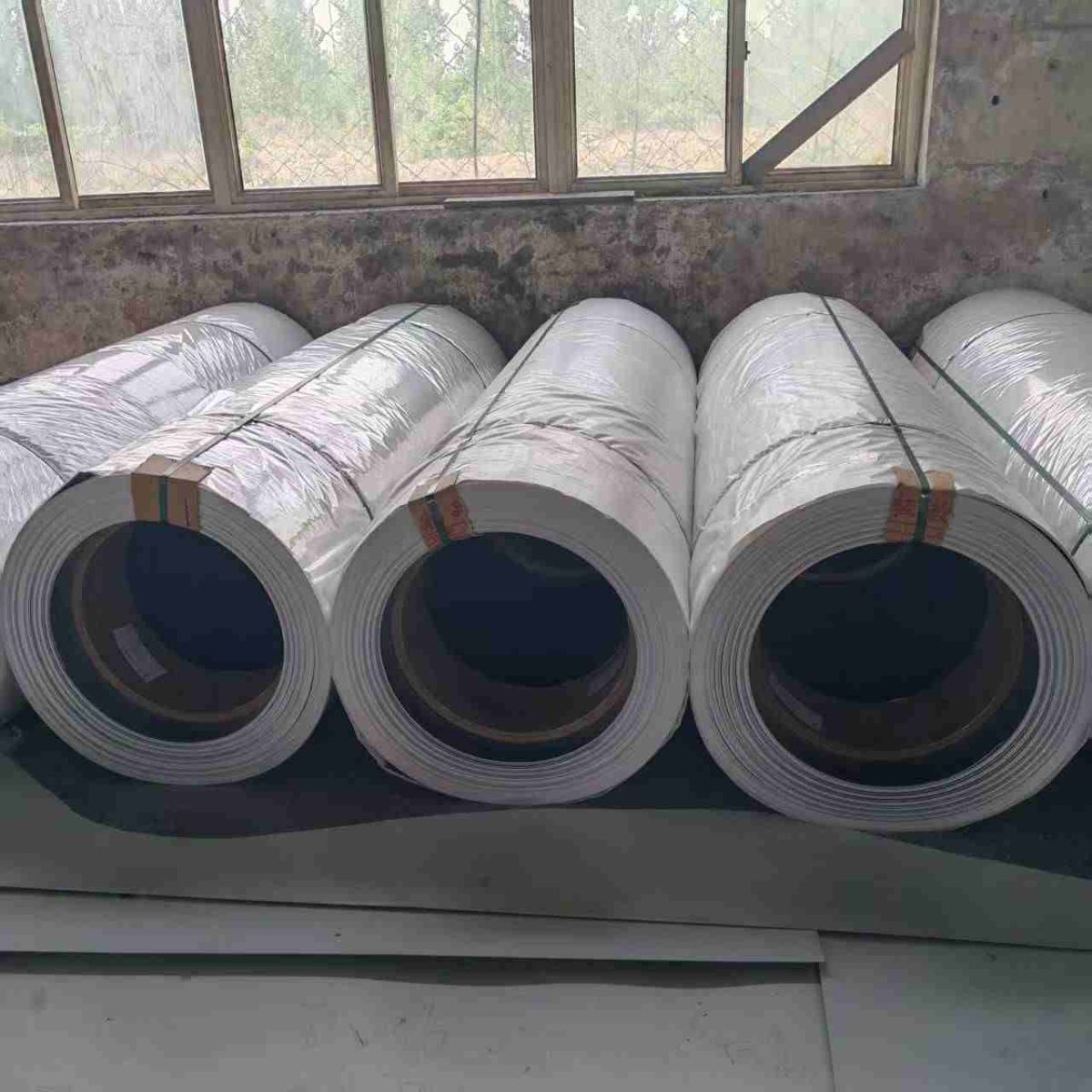
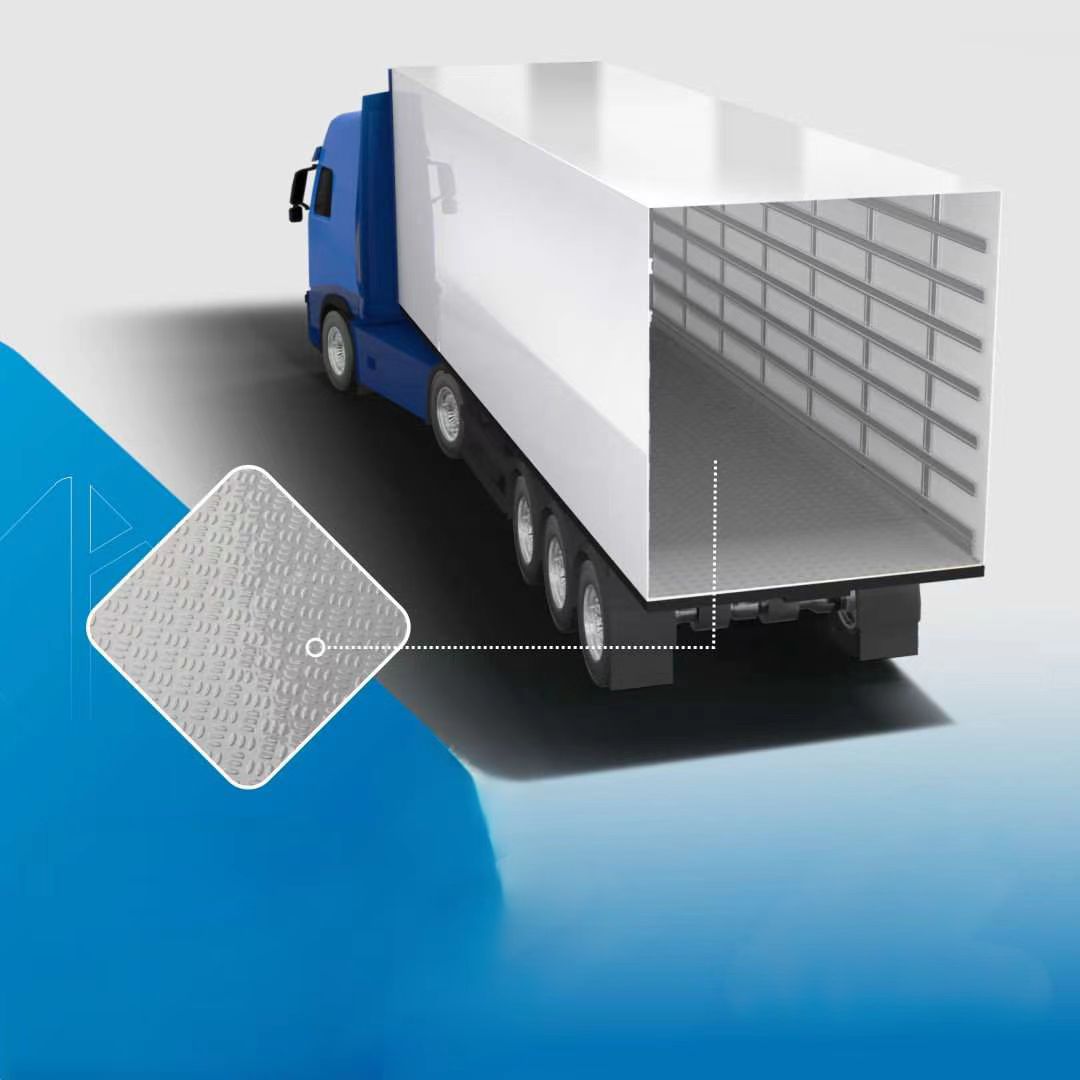
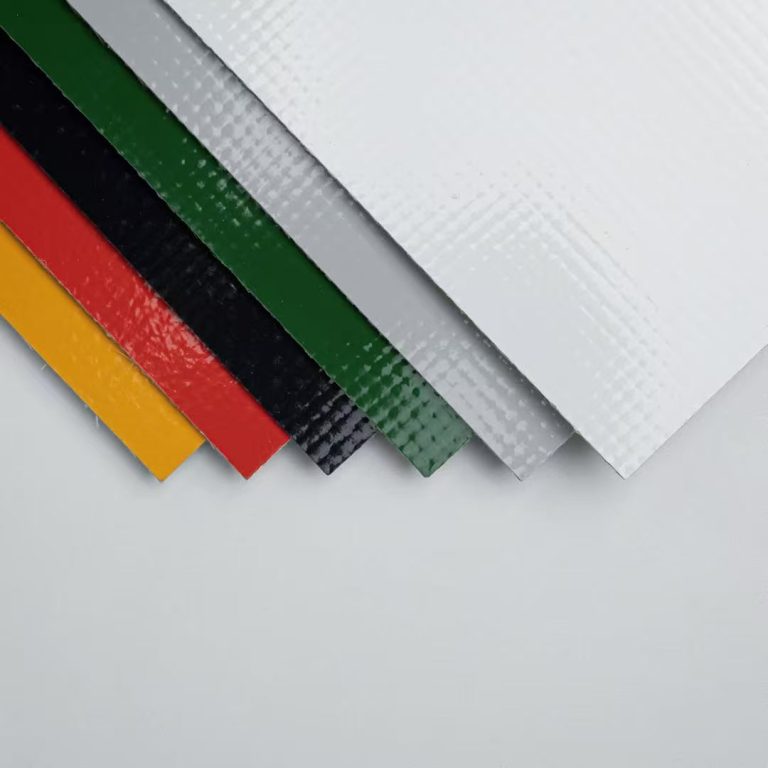
FRP (Fiber-Reinforced Plastic) composite materials are a new generation of high-performance body materials specifically designed for cold chain refrigerated transportation scenarios. They precisely address the various shortcomings of traditional body materials and represent the core solution for upgrading the cold chain industry. Unlike ordinary general-purpose panels, our factory’s FRP material for refrigerated trucks utilizes high-purity alkali-free glass fiber and imported weather-resistant, corrosion-resistant resin. It is formed through a high-pressure, one-piece molding process, with both the material formulation and production process optimized for the unique operating conditions of the cold chain—low temperatures, high humidity, and heavy loads.
Our materials perfectly combine the high strength and toughness of glass fiber with the sealing, corrosion resistance, thermal insulation, and heat retention properties of the resin matrix. This overcomes the inherent limitations of metal materials—such as rapid heat conduction, susceptibility to corrosion, and high dead weight—as well as the shortcomings of ordinary insulation panels, including low strength, susceptibility to aging, and poor sealing performance. Combining multiple superior properties—including lightweight construction, ultra-low thermal conductivity, strong corrosion resistance, high structural strength, and resistance to aging and weathering—it is perfectly suited for various complex operating conditions, such as cross-border long-distance transport, coastal high-salt environments, extreme cold and heat in the Arctic and Antarctic regions, and urban high-frequency start-stop delivery operations. It withstands the wear and tear of round-the-clock, high-intensity operations, outperforming traditional metal and foam composite panels. It is an excellent material choice for cold chain enterprises seeking to upgrade their cargo compartments, reduce costs, improve efficiency, and enhance transportation quality.
Key Advantages of FRP Materials
Superior Thermal Insulation
Superior thermal insulation and temperature retention significantly reduce energy consumption and cargo damage. The high-quality FRP composite material has an extremely low thermal conductivity, and the seamless, one-piece construction of the panels completely eliminates thermal bridging. Significantly improved compartment sealing and uniform thermal insulation effectively maintain a constant internal temperature. Whether for long-distance highway transport or frequent stop-and-go urban deliveries, the compartment temperature can be precisely and stably controlled, making it perfectly suited for demanding temperature-controlled applications such as fresh produce, frozen foods, and medical cold chains.
Exceptional Corrosion
Exceptional corrosion and aging resistance, with an exceptionally long service life. Cold chain cargo compartments are constantly exposed to low-temperature, high-humidity environments and frequently come into contact with corrosive substances, making them prone to moisture absorption, powdering, and aging. However, our FRP material has been modified through a special formulation process, providing exceptional resistance to acids, alkalis, salt spray, moisture, and aging at both high and low temperatures. It is naturally rust- and corrosion-resistant, ensuring no cracking, delamination, deformation, or water absorption failures occur even after long-term use.
Lightweight and High-strength
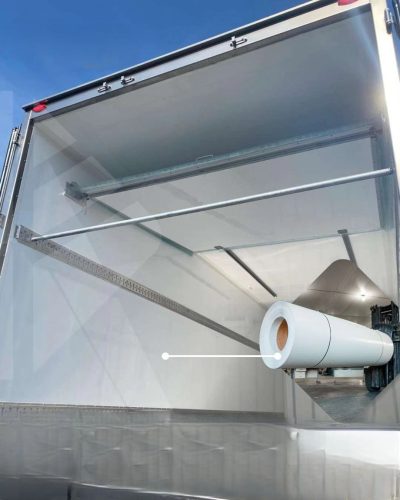
Lightweight and high-strength properties enhance cargo capacity and operational efficiency. Our FRP composite material balances lightweight construction with ultra-high structural strength. Under equivalent compression and impact resistance standards, the overall weight of an FRP cargo compartment is 30%–50% lighter than that of a traditional metal compartment. Additionally, the material offers excellent toughness and high structural strength. The one-piece molded panels are impact-resistant, crush-resistant, wear-resistant, and collision-resistant, making them less prone to deformation or damage. The overall structural stability of the cargo compartment is significantly enhanced, making it ideal for high-frequency, high-intensity commercial cold chain operations.
Application Scenarios and Operational Value

FRP materials are suitable for all types of cold chain transportation scenarios, covering short-distance delivery of fresh fruits and vegetables requiring precise temperature control, long-distance cross-border transport of frozen meat and seafood, temperature-controlled logistics for pharmaceuticals and bioproducts with stringent safety requirements, as well as urban cold chain delivery involving frequent starts and stops and high-frequency cleaning. They comprehensively meet the diverse and complex cold chain transportation needs of the global market.
This product comprehensively helps businesses reduce costs, improve efficiency, and enhance the quality of transportation services, making it the preferred core material for the current global upgrade and evolution of cold chain refrigerated truck bodies.