

Embossed FRP VS Smooth FRP: Anti-Slip & Decorative Performance Comparison
June 22, 2026
FRP Panel Buying Guide: Gel Coat, WR Reinforcement, Embossed Texture All Explained
June 29, 2026Comparison of RV Body Materials
FRP Panels vs. Aluminum Alloy vs. Fiberglass Single-Ply Panels

I. Introduction
The materials used in an RV’s body are key factors that determine the vehicle’s durability, curb weight, aesthetic quality, and long-term maintenance costs. Currently, the three mainstream materials in the RV manufacturing industry are: FRP (fiberglass-reinforced plastic) panels, aluminum alloy panels, and traditional fiberglass monocoque panels. These three materials each have their own strengths and weaknesses in terms of weight, strength, weather resistance, corrosion resistance, aesthetic appeal, and service life. Many RV manufacturers often find it difficult to select the most appropriate materials when upgrading vehicles or introducing new models. This article will provide a comprehensive comparison of these three mainstream body materials based on actual RV usage conditions, helping manufacturers select RV shells and enclosure panels that offer high cost-effectiveness, long-lasting performance, and stability.
II. Basic Characteristics of the Three Major RV Body Materials
2.1 FRP Panels (The Industry’s Mainstream High-End Choice)
FRP panels utilize a composite structure of glass fiber and resin, combined with a high-quality gel coat process, making them the most popular body material for lightweight RVs, refrigerated RVs, and motorhomes today. They offer multiple advantages, including lightweight construction, high strength, impact resistance, weather resistance, and corrosion resistance. The surface can be finished with various treatments, such as glossy, matte, embossed anti-slip, and WR high-strength woven roving. They inherently possess antibacterial, UV-resistant, anti-aging, and chemical-resistant properties. Even after prolonged exposure to outdoor sunlight, they will not fade or crack. Additionally, they support bending and shaping, allowing them to adapt to complex body designs. With extremely low overall maintenance costs and no risk of rust, they are the composite material of choice for the next generation of RV bodies.
2.2 Aluminum Alloy Sheets (Traditional Metal Body Material)
The advantages of aluminum alloy lie in its high hardness, excellent rigidity, mature forming technology, and transparent procurement costs, which led to its widespread use in early camper vans. However, its drawbacks are very obvious: metal is highly prone to oxidation (turning white) and corrosion (peeling), and rust spots are more likely to form in coastal or humid areas; metal conducts heat rapidly, resulting in poor thermal insulation for the entire vehicle, which makes campervans stuffy in summer and prone to condensation in winter; furthermore, the surface dents and deforms easily upon impact, making repairs difficult and post-purchase refurbishment costly. The appearance lacks visual depth and cannot showcase intricate decorative textures.
2.3 Standard Fiberglass Panels (Traditional FRP Materials)
Standard fiberglass panels are lightweight and inexpensive, with basic weather resistance superior to that of metal materials. However, they have a loose structure and lack a dense gel coat protective layer; long-term outdoor use can easily lead to yellowing, chalking, water penetration, and delamination; they have poor impact resistance and are prone to cracking and whitening after collisions; their surfaces are rough, prone to dust accumulation, and difficult to clean. Furthermore, they lack antimicrobial and防腐 properties. They are primarily used in low-end, basic campers and fail to meet the long-term usage standards for mid- to high-end recreational vehicles and commercial campers.
III. Comprehensive Comparison of Core Performance
3.1 Corrosion Resistance, Weather Resistance, and Service Life
FRP panels come with a built-in gel coat protective layer that resists acids, alkalis, salt spray, and UV radiation, withstanding extreme outdoor weather conditions and offering a service life far exceeding that of metal and standard fiberglass. Aluminum alloy is prone to oxidation and corrosion and has poor salt spray resistance; standard fiberglass lacks a protective layer, ages rapidly, and is prone to damage and water penetration during long-term use.
3.2 Lightweight Design and Vehicle Energy Consumption
The three materials rank in order of weight as follows: standard fiberglass is the lightest, followed by FRP, with aluminum alloy being the heaviest. FRP maintains high strength while achieving lightweight construction, effectively reducing the vehicle’s total weight and improving driving stability and fuel economy, making it the optimal solution for lightweight camper van conversions.
3.3 Aesthetic Quality and Customizability
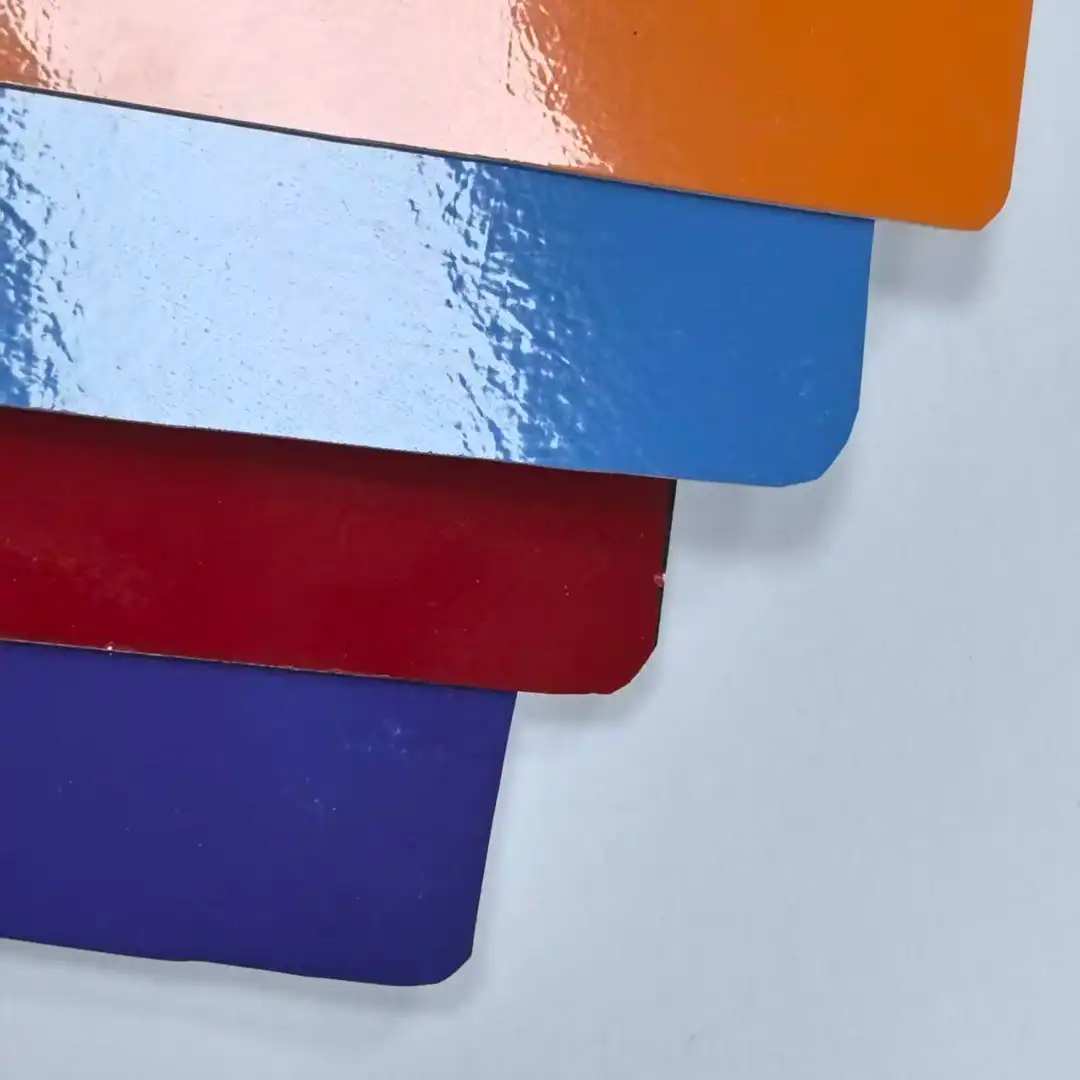
FRP supports high-gloss, matte, embossed, and multi-color customization. Its panels are smooth and refined, with minimal seams, exuding a premium feel; aluminum alloy has a monotonous appearance with a harsh metallic texture; standard fiberglass has a rough appearance, shows signs of aging easily, and offers extremely poor decorative appeal.
3.4 Thermal Insulation and Daily Maintenance
FRP has low thermal conductivity and excellent thermal insulation properties, resulting in more stable interior temperature control. Additionally, its dense surface is easy to clean, resists dirt buildup, and possesses antimicrobial properties. Aluminum alloy conducts heat quickly and provides poor thermal insulation; standard fiberglass easily accumulates dust, is difficult to clean, and is prone to mold and aging.
IV. Final Recommendations for RV Material Selection
4.1 Top Choice for Mid- to High-End Recreational and Commercial RVs: FRP Panels
For models requiring long-term weather resistance, zero rust, low maintenance, high aesthetic appeal, lightweight construction, and excellent thermal insulation, prioritize the full range of FRP panels, suitable for all applications including exterior walls, roof panels, interiors, and flooring.
4.2 Basic Models and Budget-Constrained Applications: Aluminum Alloy/Standard Fiberglass
These materials are suitable only for short-term use and basic models with low standards; they cannot meet the durability, aesthetic appeal, and long-term operational requirements of high-end RVs.
V. Summary
When evaluating six key dimensions—weather resistance, corrosion resistance, lightweight design, aesthetic appeal, thermal insulation, and maintenance costs—FRP composite panels outperform both aluminum alloy and traditional fiberglass panels. As the RV industry evolves, traditional metal and standard fiberglass materials are gradually being phased out. Versatile, customizable, and maintenance-free FRP panels have become the standard for high-end RV bodies both domestically and internationally. Our full range of FRP panels supports personalized customization of surface finishes, thickness, color, and back-side treatment, providing a one-stop solution for body modifications and complete vehicle assembly needs across various RVs and commercial vehicles.